DIY woodworking projects and easy-to-follow instructions for all skill levels.

Easy DIY Woodworking Plans for Beginners

Unlock Your Inner Craftsperson: Easy DIY Woodworking Projects for Beginners

Stepping into the world of woodworking can feel daunting, but it doesn't have to be! With a little patience and the right project, you can experience the immense satisfaction of creating something beautiful and functional with your own hands. This guide focuses on simple, beginner-friendly projects that require minimal tools and expertise, making woodworking accessible to everyone. Forget complex joinery and intricate designs – we're starting with the basics, building your confidence and skills along the way.

Project 1: The Classic Wooden Coasters

This project is perfect for absolute beginners. You'll learn basic cutting, sanding, and finishing techniques without getting bogged down in complex construction. Grab some inexpensive wood – think 1/2-inch thick plywood or even reclaimed wood scraps – and let's get started!

Materials You'll Need:

  • 1/2-inch thick plywood or hardwood scraps (enough for 4 coasters)
  • Pencil
  • Saw (hand saw or jigsaw)
  • Sandpaper (various grits, starting with 80 and finishing with 220)
  • Wood stain or paint (optional)
  • Polyurethane sealant (optional)
  • Measuring tape

Step-by-Step Instructions:

  1. Measure and Cut: Using a pencil and measuring tape, mark out four 4-inch squares on your wood. Carefully cut along the lines with your saw.
  2. Sand Smooth: Sand all edges and surfaces thoroughly, starting with coarser grit sandpaper and gradually moving to finer grits. This step creates a smooth, professional finish.
  3. Finish (Optional): Apply wood stain or paint if desired, following the manufacturer's instructions. Let it dry completely.
  4. Seal (Optional): Apply a coat of polyurethane sealant for extra protection and durability. Let it dry completely.

Congratulations! You've just crafted your first set of beautiful, personalized coasters.

Project 2: A Simple Wooden Shelf

Ready to tackle something a little more substantial? A simple floating shelf is a great next step. This project introduces you to the concept of using wood glue and screws, building on the skills you learned with the coasters. Choose a nice piece of wood – pine or fir work well – and let's create some functional storage space.

Materials You'll Need:

  • 1x6 inch pine board (length of your choice)
  • Two L-brackets (size appropriate for shelf depth and wall thickness)
  • Wood screws
  • Drill with drill bits appropriate for screws
  • Measuring tape
  • Level
  • Pencil

Step-by-Step Instructions:

  1. Measure and Mark: Measure and mark the location of your shelf on the wall. Ensure it's level using a level.
  2. Attach L-Brackets: Drill pilot holes into the wall and the back of your shelf where the L-brackets will go. Attach the brackets using wood screws.
  3. Mount the Shelf: Carefully hang the shelf onto the wall-mounted brackets.

Now you have a stylish and practical shelf, ready to display your favorite items! Remember to always use appropriate safety gear and take your time. Enjoy the creative process.

Taking the Next Step

These two projects are just the beginning! Once you've mastered these, you can explore more complex projects, such as small boxes, simple toys, or even a birdhouse. Remember to always prioritize safety, work in a well-ventilated area, and don't be afraid to experiment. The world of woodworking awaits – enjoy the journey!

Share:

Fun and Creative Free Woodworking Projects for DIY Enthusiasts

Fun and Creative Free Woodworking Projects for DIY Enthusiasts

The inherent satisfaction derived from crafting functional and aesthetically pleasing objects from raw materials is a driving force behind the enduring popularity of woodworking. For the DIY enthusiast, the realm of woodworking offers a limitless expanse of creative possibilities. This article explores a variety of fun and creative woodworking projects that require minimal financial investment, relying instead on ingenuity and readily available resources.

Beginner-Friendly Projects: Mastering the Basics

Embarking on the woodworking journey requires a gradual approach, starting with projects that build fundamental skills and confidence. These beginner-friendly projects utilize simple techniques and readily sourced materials, perfect for honing your craftsmanship before tackling more complex endeavors.

The Humble Birdhouse

Constructing a birdhouse is a classic introductory woodworking project. Its simple design requires basic cuts and assembly, allowing you to familiarize yourself with essential tools like saws, drills, and screwdrivers. The project emphasizes precise measurements and the importance of clean, accurate joinery. Furthermore, the finished product provides a rewarding sense of accomplishment and offers a welcoming habitat for local avian species. Various designs are readily available online, catering to different skill levels and aesthetic preferences. Consider adding decorative elements, like a small roof overhang or a perch, to enhance the birdhouse's visual appeal.

A Functional Wooden Coasters Set

Creating a set of coasters is an excellent way to practice your cutting and sanding techniques. Using scrap wood or offcuts from other projects, you can craft a set of unique coasters in various shapes and sizes. Experiment with different finishes, from natural oils to paint, to customize the look. This project teaches the importance of consistent thickness and the aesthetic impact of a well-sanded surface. The finished coasters not only protect furniture but also serve as a testament to your developing woodworking skills.

Simple Wooden Shelves

Building simple floating shelves is another accessible project that allows you to practice accurate measurements, cutting, and fastening techniques. These shelves can be easily adapted to fit various spaces in the home, providing functional storage solutions. The simplicity of the design allows for creativity in the selection of wood types and finishes. Consider using contrasting wood types or incorporating decorative elements such as routed edges or inlaid designs to add a unique touch.

Intermediate Projects: Expanding Your Skillset

Once you've mastered the basics, you can progress to intermediate projects that introduce more complex techniques and designs. These projects require greater precision and attention to detail, challenging you to refine your skills and explore new creative avenues.

A Rustic Wooden Sign

Crafting a personalized wooden sign allows you to express your creativity while enhancing your woodworking abilities. The project involves careful planning of the design, precise cutting, and potentially the use of carving tools or stencils for lettering or decorative elements. This project provides valuable practice in shaping and finishing wood, as well as exploring different lettering styles and design aesthetics. Consider using reclaimed wood for a rustic charm or painting it for a bolder statement.

A Decorative Wooden Box

Building a decorative wooden box involves more complex joinery techniques, such as miter joints or dovetail joints. This project challenges your precision and attention to detail, requiring careful planning and execution. The choice of wood, finish, and hardware further enhances the project's aesthetic appeal. A decorative wooden box can be used for storage, as a gift, or simply as a beautiful decorative item. Experiment with different box styles and embellishments to develop your skills and create a truly unique piece.

A Small, Simple Coffee Table

Constructing a small coffee table provides a significant challenge, encompassing many woodworking skills learned in previous projects. It involves precise cutting, accurate assembly, and potentially the use of more advanced joinery techniques. Careful consideration must be given to the selection of wood, the design of the table's legs and top, and the overall aesthetics. This project will require careful planning, accurate measurements, and attention to detail. The end result is a functional and stylish piece of furniture.

Advanced Projects: Pushing Creative Boundaries

For experienced woodworkers, advanced projects offer the opportunity to showcase their mastery of techniques and their unique artistic vision. These projects demand meticulous planning, precise execution, and a deep understanding of woodworking principles.

A Custom-Designed Wooden Chair

Designing and building a custom chair is a challenging but highly rewarding project. It requires a strong understanding of ergonomics, joinery, and wood selection. The project allows for unparalleled creative freedom, enabling you to experiment with different designs, styles, and materials. A well-crafted wooden chair is a testament to craftsmanship and a functional work of art.

An Intricate Wooden Puzzle

Creating a complex wooden puzzle is a challenging project that demands precision, patience, and attention to detail. The project necessitates a clear understanding of design, cutting, and assembly techniques. The intricacy of the puzzle allows for the exploration of different geometric shapes, interlocking mechanisms, and artistic elements. The finished puzzle provides a unique and engaging end product.

A Full-Sized Wooden Bed Frame

Constructing a full-sized wooden bed frame is a significant undertaking, requiring extensive planning, precise cutting, and robust joinery. It involves working with larger pieces of wood and demands a high level of precision to ensure structural integrity and stability. This project showcases your advanced woodworking skills and results in a substantial and impressive piece of furniture.

Conclusion: The world of woodworking offers a vast array of projects for all skill levels and creative aspirations. By starting with simpler projects and progressively tackling more complex challenges, DIY enthusiasts can hone their skills, express their creativity, and derive immense satisfaction from creating beautiful and functional items from wood.

Remember to prioritize safety throughout your woodworking projects. Always wear appropriate safety gear, use tools correctly, and work in a well-ventilated area. With careful planning, diligent execution, and a healthy dose of creativity, the possibilities are truly limitless.

Share:

Wooden Key Holders That Maximize Space and Organization

Wooden Key Holders That Maximize Space and Organization

Wooden Key Holders That Maximize Space and Organization

In the whirlwind of modern life, maintaining order and organization within our homes is paramount. Among the seemingly trivial details that contribute to a sense of calm and control, key management often emerges as a frustrating challenge. Scattered keys, lost keys, and frantic searches for the right key before rushing out the door can disrupt even the most well-organized routines. This is where a well-designed and functional wooden key holder comes into play, offering a stylish and efficient solution to the age-old problem of misplaced keys.

The Allure of Wood

Wood, with its natural beauty and timeless appeal, has long been a favored material for crafting functional and decorative objects. The warmth and texture of wood bring a touch of rustic charm and sophistication to any space. When it comes to key holders, wooden designs offer several advantages:

Durability and Longevity

Well-crafted wooden key holders are built to last. Hardwoods like oak, walnut, and maple are known for their durability and resistance to wear and tear. They can withstand the constant handling and weight of keys without showing signs of damage or deterioration. Unlike their plastic or metal counterparts, wooden key holders are less prone to scratches, dents, or rust, ensuring that they remain aesthetically pleasing for years to come.

Uniqueness and Personalization

Each piece of wood is unique, with its own grain patterns, knots, and variations in color. This natural beauty adds a touch of individuality to wooden key holders, making each one a one-of-a-kind piece. Furthermore, wooden key holders often lend themselves to customization. You can personalize your key holder by adding engraved names, initials, or special messages, creating a truly unique and sentimental object.

Sustainability and Eco-friendliness

Choosing wooden key holders aligns with sustainable practices. Wood is a renewable resource, and responsible forestry practices ensure its long-term availability. Unlike plastic or metal key holders, which can end up in landfills and contribute to environmental pollution, wooden key holders are biodegradable and can be composted or reused at the end of their lifespan. This commitment to sustainability makes wooden key holders an eco-conscious choice.

Maximizing Space and Organization

The key to effective key management lies in finding a solution that maximizes space and promotes organization. Wooden key holders offer a variety of designs and features that cater to different storage needs:

Wall-Mounted Key Holders

Wall-mounted key holders are a space-saving option that keeps keys conveniently accessible. They are ideal for small entryways, hallways, or mudrooms where space is limited. Wooden wall-mounted key holders often come in a variety of styles, including:

  • Traditional coat racks: These key holders feature multiple hooks for hanging keys, as well as coats, hats, and other accessories. They are a practical and elegant solution for organizing a variety of items.
  • Key racks with storage: These key holders incorporate shelves or drawers for storing additional items like mail, wallets, or sunglasses. They provide a dedicated space for organizing other essentials along with your keys.
  • Key racks with magnetic strips: These key holders feature magnetic strips that hold keys securely in place. They are a stylish and modern option that keeps keys organized and easily accessible.

Free-Standing Key Holders

For those who prefer a freestanding key holder, there are numerous wooden designs available:

  • Key bowls: Wooden bowls can be used as a simple and elegant key holder. They provide a dedicated space for holding keys, and their rustic charm adds a touch of warmth to any entryway.
  • Key trays: Key trays are a convenient and practical option for storing keys. They are often made with compartments or slots for organizing keys by type or location.
  • Key boxes: Wooden key boxes are ideal for storing keys out of sight. They often feature lockable mechanisms for added security and peace of mind. They can be placed on a shelf, desk, or nightstand, depending on your storage preferences.

Customizable Options

Many wooden key holders offer customizable options to personalize your organization system further:

  • Engraving: You can add engraved names, initials, or special messages to your wooden key holder, making it a truly unique and sentimental object.
  • Customizable hooks: Some wooden key holders offer interchangeable hooks, allowing you to personalize the layout and customize the number of hooks to suit your needs.
  • Custom sizes and shapes: Depending on the manufacturer or artisan, you might be able to order a key holder in a custom size or shape to fit your specific space or design preferences.

Choosing the Right Wooden Key Holder

Selecting the ideal wooden key holder involves considering your specific needs and preferences:

Space Considerations

Measure the space where you plan to install your key holder to ensure that it fits comfortably and doesn't obstruct any walkways or doorways. Consider the size and shape of the key holder, as well as the number of hooks or slots required for your keys.

Style and Design

Choose a wooden key holder that complements the overall style of your home. Consider the wood species, finish, and any decorative elements, such as engravings or embellishments. Opt for a design that you find aesthetically pleasing and that adds a touch of warmth and personality to your entryway.

Functionality and Features

Think about your specific key management needs. Do you need hooks for multiple keys, a place to store other items, or a secure lockable box? Select a key holder that offers the features and functionality that best meet your requirements.

Budget

Wooden key holders are available in a range of price points, from affordable entry-level designs to more elaborate and handcrafted pieces. Determine your budget and look for a key holder that offers the best value for your money without compromising on quality and functionality.

Conclusion

A well-designed wooden key holder is a practical and stylish solution for managing keys and keeping them organized. Whether you choose a wall-mounted key rack, a free-standing key tray, or a custom-made key box, a wooden key holder adds a touch of natural beauty and warmth to your home while providing a dedicated and efficient space for your keys. By prioritizing functionality, style, and sustainability, you can find a wooden key holder that perfectly complements your home and helps you finally banish the frustration of misplaced keys.

Share:

DIY Wine Racks to Organize and Display Your Collection

DIY Wine Racks to Organize and Display Your Collection

DIY Wine Racks to Organize and Display Your Collection

Wine is a beloved beverage, and for many, collecting bottles is a cherished hobby. But as your collection grows, you may find yourself struggling to keep it organized and accessible. A wine rack offers a stylish and functional solution, and the best part? You can create your own with a little bit of DIY know-how. From rustic to modern, there's a DIY wine rack style to suit every taste and budget.

Benefits of Building Your Own Wine Rack

There are numerous benefits to building your own wine rack:

  • Save money: Pre-made wine racks can be expensive, but DIY options allow you to create a beautiful and functional storage solution for a fraction of the cost.
  • Customization: You can tailor your rack to your specific needs and preferences, from the size and style to the materials and finish.
  • Unique design: A homemade wine rack adds a unique and personal touch to your home, reflecting your style and personality.
  • Sense of accomplishment: There's nothing quite like the satisfaction of completing a DIY project. Building a wine rack is a rewarding experience that can enhance your appreciation for your collection.

Choosing the Right Materials

The material you choose for your DIY wine rack will depend on your desired style and budget. Here are some popular options:

  • Wood: Offers a classic and timeless look. Pine, oak, and cedar are durable and readily available.
  • Metal: Provides a sleek and modern aesthetic. Use pipes, rebar, or other readily available metal materials.
  • Recycled materials: Give old pallets, crates, or even wine bottles a new life by repurposing them into unique wine racks.

Simple DIY Wine Rack Ideas

Here are some easy-to-build wine rack ideas that are perfect for beginners:

Pallet Wine Rack

Pallet wine racks are a popular choice for their rustic charm and budget-friendly nature. Start by finding a sturdy pallet with a flat surface. Then, use a saw to cut the pallet to your desired size. To create slots for your bottles, measure the diameter of your wine bottles and cut grooves into the pallet with a jigsaw. You can stain or paint the pallet to match your décor.

Pipe Wine Rack

Pipe wine racks offer a minimalist and modern look. You can use copper, black, or galvanized pipes, depending on your style. Cut the pipes to the desired length and use elbows to create bends for shelves. Mount the pipes to a wooden board or wall using brackets or screws. Add a decorative touch by using different pipe sizes and finishes.

Crate Wine Rack

Wine crates provide a natural, rustic, and vintage appeal. You can use them as is, or add a touch of personalization by staining, painting, or decoupaging them. Stack the crates to create a tiered wine rack. If you want a more cohesive look, consider attaching the crates together using screws or glue.

Safety Tips for DIY Wine Rack Construction

Always prioritize safety when working with tools and materials. Here are some key safety tips:

  • Wear appropriate safety gear: Use safety glasses, work gloves, and a dust mask when cutting and handling materials.
  • Secure your work area: Ensure your work area is clean, well-lit, and free of clutter.
  • Use caution with power tools: Always read the instructions and safety guidelines for any power tool before operating it. Never use a tool if you're unsure how to use it safely.

Building your own wine rack is a rewarding project that allows you to express your creativity and personalize your home. With a little planning and effort, you can create a stylish and functional storage solution that enhances your collection and complements your décor.

Share:

How to Make Wooden Toys with Educational Features for Extra Profit

How to Make Wooden Toys with Educational Features for Extra Profit

Crafting Educational Wooden Toys for Extra Profit

Hey there, fellow crafters! If you're looking for a fun and rewarding way to make some extra cash, creating educational wooden toys is a fantastic option. Not only will you be creating beautiful and unique products, but you'll also be fostering imagination and learning in children.

The demand for high-quality, eco-friendly wooden toys is on the rise. Parents are increasingly seeking alternatives to plastic toys, and they appreciate the durability and craftsmanship of wood. Plus, incorporating educational elements into your toys adds even more value and makes them stand out from the crowd.

Let's dive into the world of crafting educational wooden toys and explore how you can tap into this lucrative market!

Identifying Your Target Audience

Before you start crafting, it's crucial to define your target audience. This will help you choose the right designs, materials, and features for your toys. Consider factors like:

  • Age group: Are you aiming for toddlers, preschoolers, or older children?
  • Learning focus: What skills do you want to promote? (e.g., motor skills, problem-solving, creativity, STEM concepts)
  • Interests: What are children in this age group typically interested in? (e.g., animals, transportation, music, building)
  • Budget: What price point are parents willing to pay for your toys?

For instance, if you're focusing on toddlers, you might create simple stacking rings or a pull toy with bright colors and textures to encourage sensory development and hand-eye coordination. For older children, you could develop a complex wooden puzzle or a construction set that encourages problem-solving and spatial reasoning.

Choosing the Right Wood

The type of wood you use is essential for the durability, safety, and aesthetic appeal of your toys. Here are some popular choices for wooden toys:

  • Maple: Known for its strength, hardness, and beautiful grain patterns. It's a good option for toys that will get a lot of wear and tear.
  • Cherry: Offers a warm, reddish-brown color and excellent workability. It's often used for more intricate designs.
  • Birch: A versatile wood with a smooth texture and a light, creamy color. It's readily available and relatively affordable.
  • Pine: Soft and easy to work with, making it a good choice for beginner woodworkers. However, it's not as durable as other woods.

Remember to always use non-toxic finishes and paints that are safe for children. Look for water-based paints and stains that are certified lead-free and VOC-free.

Incorporating Educational Features

The key to creating successful educational wooden toys is to integrate learning elements seamlessly into your designs. Here are some ideas:

Motor Skills Development

  • Stacking rings: Classic toys that help children develop hand-eye coordination and fine motor skills.
  • Shape sorters: Teach children about shapes and colors while improving their problem-solving abilities.
  • Bead mazes: Encourage dexterity and spatial reasoning as children navigate the maze with beads.

Cognitive Development

  • Puzzles: Promote critical thinking, spatial reasoning, and problem-solving skills.
  • Counting blocks: Teach children about numbers, counting, and simple math concepts.
  • Memory games: Improve memory, concentration, and pattern recognition.

Creativity and Imagination

  • Play kitchens and tool sets: Encourage role-playing and imaginative play.
  • Building blocks: Foster creativity and spatial awareness.
  • Open-ended toys: These toys can be used in many different ways, encouraging children to use their imaginations.

STEM Concepts

  • Gears and wheels: Introduce basic principles of mechanics and engineering.
  • Magnetic toys: Explore magnetic forces and their applications.
  • Construction sets: Encourage design and building skills.

Marketing Your Toys

Once you've created your educational wooden toys, it's time to get them in front of your target audience. Here are some effective marketing strategies:

  • Online marketplaces: Sell your toys on platforms like Etsy, Amazon Handmade, and Shopify.
  • Social media: Use platforms like Instagram and Facebook to showcase your products, interact with customers, and run targeted ads.
  • Local craft fairs and markets: Connect with potential customers in person and demonstrate the benefits of your toys.
  • Collaborate with bloggers and influencers: Partner with individuals who have a strong following in the parenting or educational space.

Pricing Your Toys

When setting prices for your wooden toys, consider the following factors:

  • Cost of materials: Account for the price of wood, finishes, hardware, and any other supplies you need.
  • Time spent: Factor in the time it takes to design, cut, assemble, and finish each toy.
  • Profit margin: You'll want to make sure your prices allow you to earn a profit, but also remain competitive in the market.
  • Target audience: Consider the buying power of your target audience. Are you selling to parents who are willing to pay a premium for high-quality toys?

Research similar products to get a sense of market pricing and be sure to factor in shipping costs and potential discounts. You can offer tiered pricing based on the complexity of your toys.

Frequently Asked Questions

What tools do I need to make wooden toys?

The specific tools you'll need will depend on the complexity of your designs. However, some essential tools include:

  • Saw (e.g., circular saw, jigsaw, hand saw)
  • Sandpaper (various grits)
  • Screwdriver and drill
  • Clamps
  • Measuring tape and ruler
  • Wood glue

How do I ensure the safety of my toys?

Safety is paramount when creating wooden toys. Here are some key considerations:

  • Use only non-toxic paints, finishes, and stains.
  • Avoid sharp edges and corners. Round them off with sandpaper.
  • Ensure all parts are securely fastened and will not easily detach.
  • Choose woods that are free from splinters and knots.

Where can I find inspiration for educational wooden toy designs?

There are countless sources of inspiration for your wooden toy creations. Check out:

  • Online platforms: Etsy, Pinterest, and Instagram are great places to see what other toy makers are creating.
  • Educational websites: Explore websites dedicated to early childhood development and learning for ideas on educational features.
  • Toy stores: Take a trip to your local toy store to get a sense of current trends and designs.

Don't be afraid to experiment with different designs and materials. Have fun, be creative, and let your imagination run wild!

Share:

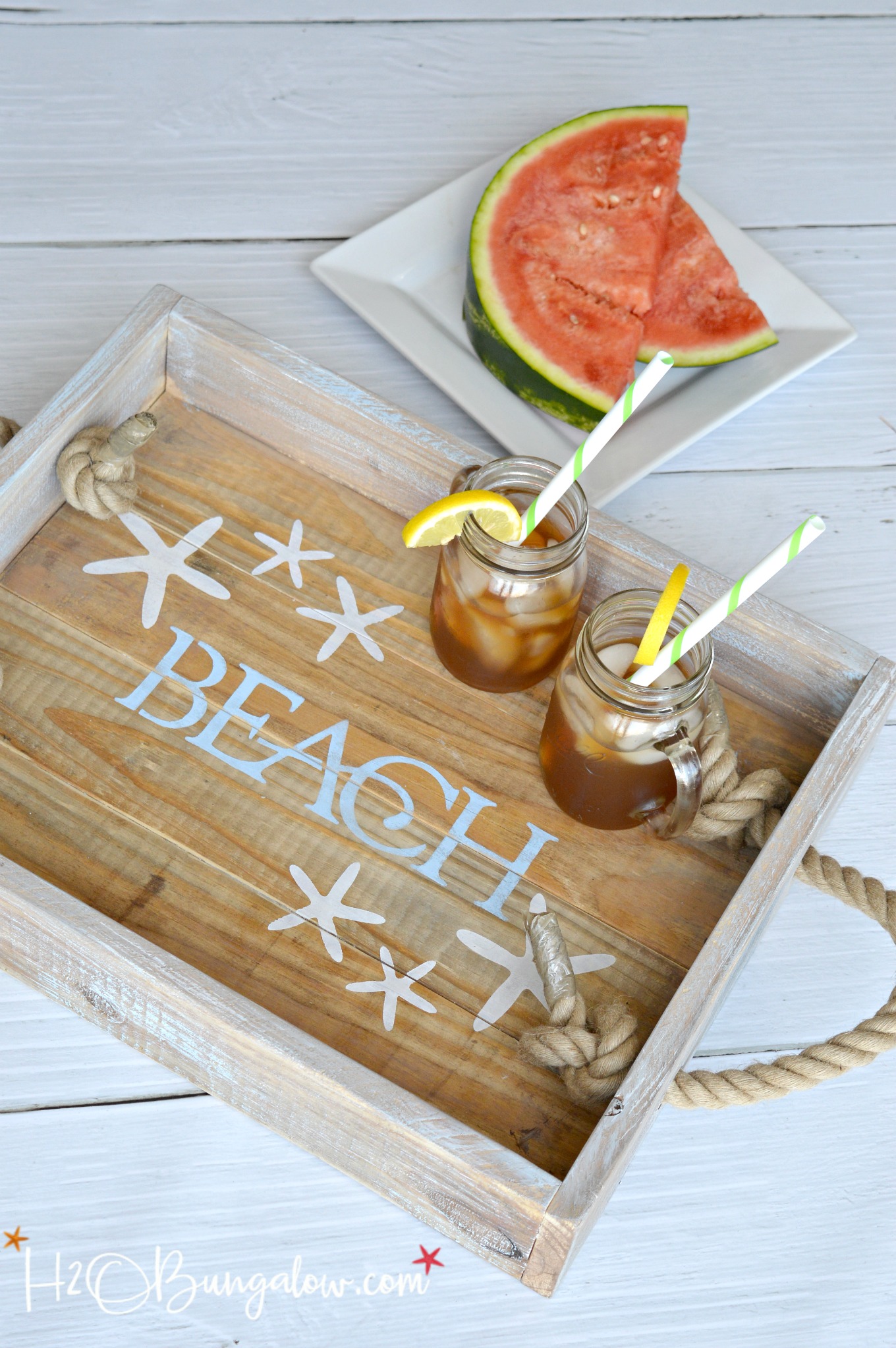
DIY Wood Serving Trays with Custom Finishes for Extra Profit

DIY Wood Serving Trays with Custom Finishes for Extra Profit

DIY Wood Serving Trays with Custom Finishes for Extra Profit

In the realm of crafting and entrepreneurial endeavors, the allure of creating personalized and functional items holds immense appeal. Among the multitude of DIY projects that promise both satisfaction and potential profit, crafting custom wood serving trays stands out as a particularly rewarding pursuit. This article delves into the intricacies of crafting these elegant pieces, exploring the various aspects involved in their creation, from material selection to finishing techniques, with an emphasis on maximizing profit potential.

Selecting the Right Wood: A Foundation for Excellence

The choice of wood forms the bedrock of any successful serving tray. Opting for the right material not only influences the aesthetic appeal but also determines durability and longevity. Several wood species are favored for their inherent qualities and compatibility with serving tray construction:

Popular Wood Choices:

  • Hardwood:
    • Maple: Renowned for its strength, durability, and warm, natural grain. Often preferred for its resistance to scratches and dents, making it ideal for serving trays that will experience regular use.
    • Cherry: Known for its beautiful, reddish-brown tones and rich grain. Possesses a moderate hardness and excellent workability, making it a versatile option for various tray designs.
    • Walnut: Characterized by its stunning dark brown color and distinctive, swirling grain patterns. A highly sought-after wood for its elegance and luxurious aesthetic.
  • Softwood:
    • Pine: A budget-friendly option with a light, airy appearance and pleasing aroma. Its softness makes it easy to work with but requires careful handling to prevent scratches and dents.
    • Cedar: Celebrated for its natural resistance to insects and its pleasant, aromatic fragrance. A good choice for serving trays intended for outdoor use.

    When selecting wood, consider the intended use of the trays, the desired aesthetic, and the budget allocated. Hardwoods generally command a higher price, but they also offer superior durability. Softwoods provide a more affordable alternative, particularly for beginners.

    Crafting the Perfect Tray: Design and Construction

    The design and construction of the serving tray are critical to its functionality and overall appeal. Consider the following elements:

    Design Considerations:

    • Shape and Size: Determine the shape and dimensions of the tray based on its intended use. Rectangular trays are versatile and practical, while round or oval trays offer a more elegant aesthetic. Consider standard serving sizes and the types of items the tray will carry.
    • Handles: Handles provide a comfortable and secure grip for carrying the tray. They can be incorporated into the design using various techniques, such as mortise and tenon joints, dovetail joints, or simply attaching handles with screws or glue. The choice depends on the overall style and construction methods.
    • Edges: The edges of the tray can be rounded or straight, depending on the desired aesthetic. Rounded edges offer a more comfortable and polished look, while straight edges provide a more minimalist and modern feel.
    • Raised Borders: Raised borders can be incorporated to create a more visually interesting design and to prevent items from sliding off the tray. The borders can be of varying thickness and can be embellished with decorative details.

    Construction Techniques:

    • Hand-Cut: This traditional method offers a more rustic and personal touch, but it requires a high level of skill and patience. Using hand tools like saws, chisels, and planes, the wood is carefully shaped and joined.
    • Power Tools: Power tools like table saws, routers, and sanders can greatly speed up the construction process. They allow for greater precision and consistency, making them ideal for larger batches of trays.
    • Joining Techniques: Various joining methods can be employed to construct the tray, depending on the desired strength and aesthetic. Common techniques include:
      • Butt Joints: Simple and straightforward, but less durable than other methods.
      • Mortise and Tenon: Strong and secure, ideal for creating sturdy and long-lasting trays.
      • Dovetail Joints: Known for their strength and decorative appearance, often used in high-end furniture making.
      • Glue and Screws: A practical and affordable option, particularly for beginners.

    Custom Finishes: Elevating the Tray's Appeal

    Custom finishes are essential for adding character, style, and uniqueness to serving trays. These finishes can range from simple stains and varnishes to more elaborate techniques like painting, decoupage, and etching.

    Popular Finishing Techniques:

    • Staining: Stains enhance the natural beauty of the wood grain, adding depth and color while allowing the grain patterns to show through. Available in a wide range of colors and finishes, from light and natural to dark and rich.
    • Varnishing: Varnishes provide a protective layer that shields the wood from scratches, spills, and moisture. They come in various finishes, including gloss, satin, and matte, each offering a different level of shine and sheen.
    • Painting: Painting allows for endless creative possibilities, enabling the creation of bold and vibrant designs. Trays can be painted in solid colors, patterned designs, or even decorative scenes.
    • Decoupage: Decoupage involves applying decorative paper or fabric to the surface of the tray using glue and varnish. This technique offers a unique and personalized touch, allowing you to incorporate patterns, images, or even vintage maps.
    • Etching: Etching creates a permanent design or inscription on the wood surface. Using specialized tools and techniques, you can etch patterns, monograms, or even custom messages onto the tray.
    • Distressed Finishes: Distressed finishes give the trays a vintage and rustic look. This can be achieved through techniques like sanding, hammering, or using paint to create a chipped or aged effect.

    Experiment with different finishes and techniques to discover your unique style and create trays that appeal to a wide range of customers. Remember that custom finishes can greatly increase the perceived value and price point of your trays.

    Pricing Strategies for Maximum Profit:

    Determining the right price for your custom serving trays is essential for ensuring profitability. Consider the following factors when setting your prices:

    Cost of Materials and Labor:

    • Wood: The cost of wood varies depending on the species, quality, and size. Factor in the price of wood and any necessary hardware, like handles, hinges, or fasteners.
    • Finishes: Account for the cost of stains, varnishes, paints, and any other finishing materials. Consider the amount of time and effort required for each finishing technique.
    • Labor: Estimate the time spent on design, construction, and finishing. Factor in your time and skill level, as well as the cost of any tools or equipment used.
    • Overhead Costs: Consider any overhead costs associated with your business, such as rent, utilities, insurance, and marketing.

    Pricing Models:

    • Cost-Plus Pricing: This method involves calculating the total cost of materials, labor, and overhead and adding a profit margin. A common profit margin is 20-30% of the total cost.
    • Competitive Pricing: Research the prices of similar serving trays from other makers. Consider the quality of materials, the complexity of design, and the perceived value of your custom finishes. Adjust your pricing accordingly to remain competitive.
    • Value-Based Pricing: Focus on the unique value you offer, including the quality of materials, craftsmanship, custom finishes, and personalization options. Price your trays accordingly to reflect their perceived value and appeal to discerning customers.

    Remember, pricing is a balancing act. You want to set prices that are competitive, profitable, and fair to your customers.

    Marketing and Sales Strategies for Success

    Once you have created your exquisite serving trays, it's time to market and sell them to a wider audience. Here are some strategies for promoting your creations and reaching potential customers:

    Online Sales Platforms:

    • Etsy: A popular marketplace for handcrafted goods, Etsy offers a ready-made audience of buyers seeking unique and personalized items. Create a compelling shop profile and high-quality product listings to attract customers.
    • Shopify: A platform for building your own online store, Shopify allows you to create a professional online presence and manage your sales efficiently. You can customize your store's design and integrate various marketing tools.
    • Social Media: Utilize platforms like Instagram, Facebook, and Pinterest to showcase your serving trays and connect with potential customers. Post high-quality photos and videos, use relevant hashtags, and engage with your followers.
    • Online Marketplaces: Consider selling your trays on platforms like Amazon Handmade, eBay, or other relevant marketplaces to reach a wider audience.

    Local Market and Craft Fairs:

    • Craft Shows: Participate in local craft fairs and markets to sell your trays directly to customers. These events offer a great opportunity for face-to-face interaction and personalized customer service.
    • Farmers' Markets: Consider setting up a booth at a local farmers' market, where you can tap into a community of customers seeking unique and handcrafted products.

    Additional Marketing Techniques:

    • Word-of-Mouth: Encourage customer referrals and testimonials to build your brand reputation and attract new buyers.
    • Local Partnerships: Collaborate with local businesses, such as gift shops, home decor stores, or restaurants, to sell your trays.
    • Email Marketing: Build an email list of interested customers and send out newsletters, promotions, and updates about your new products.

    Conclusion: A Recipe for Profitable Success

    Crafting custom wood serving trays with unique finishes is a fulfilling and potentially lucrative endeavor. By carefully selecting materials, mastering construction techniques, and leveraging effective marketing strategies, you can create beautiful and sought-after pieces that appeal to a wide range of customers. Remember to always strive for quality, creativity, and exceptional customer service. With dedication and passion, you can turn your passion for woodworking into a successful and rewarding business venture.

Share:

Profitable Tiered Plant Stands for Outdoor Spaces

Profitable Tiered Plant Stands for Outdoor Spaces

Profitable Tiered Plant Stands for Outdoor Spaces

Hey there, plant lovers! If you're looking to spruce up your outdoor space and make a little extra cash along the way, then you've come to the right place. Tiered plant stands are hot right now, and they're a fantastic way to showcase your green thumb while turning a profit. Let's dive into the world of profitable plant stands and explore some ideas to get you started.

Why Tiered Plant Stands Are a Winner

Think about it. Tiered plant stands offer a ton of benefits, both for you and your customers:

  • Space-saving: They maximize vertical space, perfect for smaller gardens or patios.
  • Visual Appeal: They create stunning displays of greenery, adding a touch of elegance to any outdoor area.
  • Versatility: You can use them to showcase a variety of plants, from vibrant flowers to lush ferns.
  • Easy to Move: Most stands are portable, making them adaptable to different locations.
  • Potential for Profit: You can sell them, rent them out for events, or even offer them as part of a plant-styling service.

Types of Tiered Plant Stands

The possibilities are endless when it comes to tiered plant stands. Here are a few popular types to get your creative juices flowing:

Metal Tiered Plant Stands

Metal stands are durable, weather-resistant, and come in a range of styles. You can find them in sleek black, rustic iron, or even with a touch of copper or gold for a modern look.

Wood Tiered Plant Stands

Wood stands are a classic choice, adding a touch of warmth and natural beauty to any setting. From rustic reclaimed wood to polished teak, there's a wood stand to fit any aesthetic.

Tiered Plant Stands with Hanging Baskets

These stands combine tiered shelves with hanging baskets, allowing you to showcase plants in a variety of ways. They're particularly popular for showcasing trailing plants and cascading flowers.

DIY Tiered Plant Stands

For a truly unique touch, consider creating your own tiered plant stands. Repurpose old ladders, crates, or even pallet wood to create one-of-a-kind pieces.

Profitable Ideas for Tiered Plant Stands

Now that you've got a good understanding of the types of tiered plant stands, let's talk about how you can turn them into a profitable venture:

Selling Tiered Plant Stands

This is the most straightforward way to profit. Build or source stands and sell them online, at local markets, or through craft fairs. Offer a variety of sizes, materials, and styles to cater to different tastes and budgets.

Renting Tiered Plant Stands

Rental is a great option if you want to start with a smaller investment. Offer your stands for weddings, parties, corporate events, or even garden tours. Make sure to have a clear rental agreement that outlines terms and conditions.

Plant Styling Services

Combine your love for plants with your creative eye. Offer plant styling services using your tiered stands. You can help clients create beautiful displays for their homes, businesses, or outdoor spaces.

Workshops and Classes

Share your knowledge and passion for plants by offering workshops or classes. Teach participants how to create their own tiered plant stands, choose the right plants, and care for them.

Tips for Success

Here are some tips to help you turn your tiered plant stand business into a thriving success:

  • High-Quality Materials: Invest in sturdy, durable materials that will withstand the elements and last for years to come.
  • Unique Designs: Offer stands with unique designs and finishes to set yourself apart from the competition.
  • Strong Branding: Develop a memorable brand name and logo to create a strong visual identity.
  • Social Media Presence: Showcase your creations and engage with potential customers through platforms like Instagram and Pinterest.
  • Excellent Customer Service: Provide prompt responses, clear communication, and a positive experience for every customer.

The Bottom Line

Tiered plant stands are a fantastic way to express your creativity and earn some extra income. With a little effort and a touch of green magic, you can turn your passion for plants into a profitable business. So, get started today and let your plant stand dreams bloom!

Share:

人気の投稿

Powered by Blogger.