DIY woodworking projects and easy-to-follow instructions for all skill levels.

Wooden Key Holders That Maximize Space and Organization

Wooden Key Holders That Maximize Space and Organization

Wooden Key Holders That Maximize Space and Organization

In the whirlwind of modern life, maintaining order and organization within our homes is paramount. Among the seemingly trivial details that contribute to a sense of calm and control, key management often emerges as a frustrating challenge. Scattered keys, lost keys, and frantic searches for the right key before rushing out the door can disrupt even the most well-organized routines. This is where a well-designed and functional wooden key holder comes into play, offering a stylish and efficient solution to the age-old problem of misplaced keys.

The Allure of Wood

Wood, with its natural beauty and timeless appeal, has long been a favored material for crafting functional and decorative objects. The warmth and texture of wood bring a touch of rustic charm and sophistication to any space. When it comes to key holders, wooden designs offer several advantages:

Durability and Longevity

Well-crafted wooden key holders are built to last. Hardwoods like oak, walnut, and maple are known for their durability and resistance to wear and tear. They can withstand the constant handling and weight of keys without showing signs of damage or deterioration. Unlike their plastic or metal counterparts, wooden key holders are less prone to scratches, dents, or rust, ensuring that they remain aesthetically pleasing for years to come.

Uniqueness and Personalization

Each piece of wood is unique, with its own grain patterns, knots, and variations in color. This natural beauty adds a touch of individuality to wooden key holders, making each one a one-of-a-kind piece. Furthermore, wooden key holders often lend themselves to customization. You can personalize your key holder by adding engraved names, initials, or special messages, creating a truly unique and sentimental object.

Sustainability and Eco-friendliness

Choosing wooden key holders aligns with sustainable practices. Wood is a renewable resource, and responsible forestry practices ensure its long-term availability. Unlike plastic or metal key holders, which can end up in landfills and contribute to environmental pollution, wooden key holders are biodegradable and can be composted or reused at the end of their lifespan. This commitment to sustainability makes wooden key holders an eco-conscious choice.

Maximizing Space and Organization

The key to effective key management lies in finding a solution that maximizes space and promotes organization. Wooden key holders offer a variety of designs and features that cater to different storage needs:

Wall-Mounted Key Holders

Wall-mounted key holders are a space-saving option that keeps keys conveniently accessible. They are ideal for small entryways, hallways, or mudrooms where space is limited. Wooden wall-mounted key holders often come in a variety of styles, including:

  • Traditional coat racks: These key holders feature multiple hooks for hanging keys, as well as coats, hats, and other accessories. They are a practical and elegant solution for organizing a variety of items.
  • Key racks with storage: These key holders incorporate shelves or drawers for storing additional items like mail, wallets, or sunglasses. They provide a dedicated space for organizing other essentials along with your keys.
  • Key racks with magnetic strips: These key holders feature magnetic strips that hold keys securely in place. They are a stylish and modern option that keeps keys organized and easily accessible.

Free-Standing Key Holders

For those who prefer a freestanding key holder, there are numerous wooden designs available:

  • Key bowls: Wooden bowls can be used as a simple and elegant key holder. They provide a dedicated space for holding keys, and their rustic charm adds a touch of warmth to any entryway.
  • Key trays: Key trays are a convenient and practical option for storing keys. They are often made with compartments or slots for organizing keys by type or location.
  • Key boxes: Wooden key boxes are ideal for storing keys out of sight. They often feature lockable mechanisms for added security and peace of mind. They can be placed on a shelf, desk, or nightstand, depending on your storage preferences.

Customizable Options

Many wooden key holders offer customizable options to personalize your organization system further:

  • Engraving: You can add engraved names, initials, or special messages to your wooden key holder, making it a truly unique and sentimental object.
  • Customizable hooks: Some wooden key holders offer interchangeable hooks, allowing you to personalize the layout and customize the number of hooks to suit your needs.
  • Custom sizes and shapes: Depending on the manufacturer or artisan, you might be able to order a key holder in a custom size or shape to fit your specific space or design preferences.

Choosing the Right Wooden Key Holder

Selecting the ideal wooden key holder involves considering your specific needs and preferences:

Space Considerations

Measure the space where you plan to install your key holder to ensure that it fits comfortably and doesn't obstruct any walkways or doorways. Consider the size and shape of the key holder, as well as the number of hooks or slots required for your keys.

Style and Design

Choose a wooden key holder that complements the overall style of your home. Consider the wood species, finish, and any decorative elements, such as engravings or embellishments. Opt for a design that you find aesthetically pleasing and that adds a touch of warmth and personality to your entryway.

Functionality and Features

Think about your specific key management needs. Do you need hooks for multiple keys, a place to store other items, or a secure lockable box? Select a key holder that offers the features and functionality that best meet your requirements.

Budget

Wooden key holders are available in a range of price points, from affordable entry-level designs to more elaborate and handcrafted pieces. Determine your budget and look for a key holder that offers the best value for your money without compromising on quality and functionality.

Conclusion

A well-designed wooden key holder is a practical and stylish solution for managing keys and keeping them organized. Whether you choose a wall-mounted key rack, a free-standing key tray, or a custom-made key box, a wooden key holder adds a touch of natural beauty and warmth to your home while providing a dedicated and efficient space for your keys. By prioritizing functionality, style, and sustainability, you can find a wooden key holder that perfectly complements your home and helps you finally banish the frustration of misplaced keys.

Share:

DIY Wine Racks to Organize and Display Your Collection

DIY Wine Racks to Organize and Display Your Collection

DIY Wine Racks to Organize and Display Your Collection

Wine is a beloved beverage, and for many, collecting bottles is a cherished hobby. But as your collection grows, you may find yourself struggling to keep it organized and accessible. A wine rack offers a stylish and functional solution, and the best part? You can create your own with a little bit of DIY know-how. From rustic to modern, there's a DIY wine rack style to suit every taste and budget.

Benefits of Building Your Own Wine Rack

There are numerous benefits to building your own wine rack:

  • Save money: Pre-made wine racks can be expensive, but DIY options allow you to create a beautiful and functional storage solution for a fraction of the cost.
  • Customization: You can tailor your rack to your specific needs and preferences, from the size and style to the materials and finish.
  • Unique design: A homemade wine rack adds a unique and personal touch to your home, reflecting your style and personality.
  • Sense of accomplishment: There's nothing quite like the satisfaction of completing a DIY project. Building a wine rack is a rewarding experience that can enhance your appreciation for your collection.

Choosing the Right Materials

The material you choose for your DIY wine rack will depend on your desired style and budget. Here are some popular options:

  • Wood: Offers a classic and timeless look. Pine, oak, and cedar are durable and readily available.
  • Metal: Provides a sleek and modern aesthetic. Use pipes, rebar, or other readily available metal materials.
  • Recycled materials: Give old pallets, crates, or even wine bottles a new life by repurposing them into unique wine racks.

Simple DIY Wine Rack Ideas

Here are some easy-to-build wine rack ideas that are perfect for beginners:

Pallet Wine Rack

Pallet wine racks are a popular choice for their rustic charm and budget-friendly nature. Start by finding a sturdy pallet with a flat surface. Then, use a saw to cut the pallet to your desired size. To create slots for your bottles, measure the diameter of your wine bottles and cut grooves into the pallet with a jigsaw. You can stain or paint the pallet to match your décor.

Pipe Wine Rack

Pipe wine racks offer a minimalist and modern look. You can use copper, black, or galvanized pipes, depending on your style. Cut the pipes to the desired length and use elbows to create bends for shelves. Mount the pipes to a wooden board or wall using brackets or screws. Add a decorative touch by using different pipe sizes and finishes.

Crate Wine Rack

Wine crates provide a natural, rustic, and vintage appeal. You can use them as is, or add a touch of personalization by staining, painting, or decoupaging them. Stack the crates to create a tiered wine rack. If you want a more cohesive look, consider attaching the crates together using screws or glue.

Safety Tips for DIY Wine Rack Construction

Always prioritize safety when working with tools and materials. Here are some key safety tips:

  • Wear appropriate safety gear: Use safety glasses, work gloves, and a dust mask when cutting and handling materials.
  • Secure your work area: Ensure your work area is clean, well-lit, and free of clutter.
  • Use caution with power tools: Always read the instructions and safety guidelines for any power tool before operating it. Never use a tool if you're unsure how to use it safely.

Building your own wine rack is a rewarding project that allows you to express your creativity and personalize your home. With a little planning and effort, you can create a stylish and functional storage solution that enhances your collection and complements your décor.

Share:

How to Make Wooden Toys with Educational Features for Extra Profit

How to Make Wooden Toys with Educational Features for Extra Profit

Crafting Educational Wooden Toys for Extra Profit

Hey there, fellow crafters! If you're looking for a fun and rewarding way to make some extra cash, creating educational wooden toys is a fantastic option. Not only will you be creating beautiful and unique products, but you'll also be fostering imagination and learning in children.

The demand for high-quality, eco-friendly wooden toys is on the rise. Parents are increasingly seeking alternatives to plastic toys, and they appreciate the durability and craftsmanship of wood. Plus, incorporating educational elements into your toys adds even more value and makes them stand out from the crowd.

Let's dive into the world of crafting educational wooden toys and explore how you can tap into this lucrative market!

Identifying Your Target Audience

Before you start crafting, it's crucial to define your target audience. This will help you choose the right designs, materials, and features for your toys. Consider factors like:

  • Age group: Are you aiming for toddlers, preschoolers, or older children?
  • Learning focus: What skills do you want to promote? (e.g., motor skills, problem-solving, creativity, STEM concepts)
  • Interests: What are children in this age group typically interested in? (e.g., animals, transportation, music, building)
  • Budget: What price point are parents willing to pay for your toys?

For instance, if you're focusing on toddlers, you might create simple stacking rings or a pull toy with bright colors and textures to encourage sensory development and hand-eye coordination. For older children, you could develop a complex wooden puzzle or a construction set that encourages problem-solving and spatial reasoning.

Choosing the Right Wood

The type of wood you use is essential for the durability, safety, and aesthetic appeal of your toys. Here are some popular choices for wooden toys:

  • Maple: Known for its strength, hardness, and beautiful grain patterns. It's a good option for toys that will get a lot of wear and tear.
  • Cherry: Offers a warm, reddish-brown color and excellent workability. It's often used for more intricate designs.
  • Birch: A versatile wood with a smooth texture and a light, creamy color. It's readily available and relatively affordable.
  • Pine: Soft and easy to work with, making it a good choice for beginner woodworkers. However, it's not as durable as other woods.

Remember to always use non-toxic finishes and paints that are safe for children. Look for water-based paints and stains that are certified lead-free and VOC-free.

Incorporating Educational Features

The key to creating successful educational wooden toys is to integrate learning elements seamlessly into your designs. Here are some ideas:

Motor Skills Development

  • Stacking rings: Classic toys that help children develop hand-eye coordination and fine motor skills.
  • Shape sorters: Teach children about shapes and colors while improving their problem-solving abilities.
  • Bead mazes: Encourage dexterity and spatial reasoning as children navigate the maze with beads.

Cognitive Development

  • Puzzles: Promote critical thinking, spatial reasoning, and problem-solving skills.
  • Counting blocks: Teach children about numbers, counting, and simple math concepts.
  • Memory games: Improve memory, concentration, and pattern recognition.

Creativity and Imagination

  • Play kitchens and tool sets: Encourage role-playing and imaginative play.
  • Building blocks: Foster creativity and spatial awareness.
  • Open-ended toys: These toys can be used in many different ways, encouraging children to use their imaginations.

STEM Concepts

  • Gears and wheels: Introduce basic principles of mechanics and engineering.
  • Magnetic toys: Explore magnetic forces and their applications.
  • Construction sets: Encourage design and building skills.

Marketing Your Toys

Once you've created your educational wooden toys, it's time to get them in front of your target audience. Here are some effective marketing strategies:

  • Online marketplaces: Sell your toys on platforms like Etsy, Amazon Handmade, and Shopify.
  • Social media: Use platforms like Instagram and Facebook to showcase your products, interact with customers, and run targeted ads.
  • Local craft fairs and markets: Connect with potential customers in person and demonstrate the benefits of your toys.
  • Collaborate with bloggers and influencers: Partner with individuals who have a strong following in the parenting or educational space.

Pricing Your Toys

When setting prices for your wooden toys, consider the following factors:

  • Cost of materials: Account for the price of wood, finishes, hardware, and any other supplies you need.
  • Time spent: Factor in the time it takes to design, cut, assemble, and finish each toy.
  • Profit margin: You'll want to make sure your prices allow you to earn a profit, but also remain competitive in the market.
  • Target audience: Consider the buying power of your target audience. Are you selling to parents who are willing to pay a premium for high-quality toys?

Research similar products to get a sense of market pricing and be sure to factor in shipping costs and potential discounts. You can offer tiered pricing based on the complexity of your toys.

Frequently Asked Questions

What tools do I need to make wooden toys?

The specific tools you'll need will depend on the complexity of your designs. However, some essential tools include:

  • Saw (e.g., circular saw, jigsaw, hand saw)
  • Sandpaper (various grits)
  • Screwdriver and drill
  • Clamps
  • Measuring tape and ruler
  • Wood glue

How do I ensure the safety of my toys?

Safety is paramount when creating wooden toys. Here are some key considerations:

  • Use only non-toxic paints, finishes, and stains.
  • Avoid sharp edges and corners. Round them off with sandpaper.
  • Ensure all parts are securely fastened and will not easily detach.
  • Choose woods that are free from splinters and knots.

Where can I find inspiration for educational wooden toy designs?

There are countless sources of inspiration for your wooden toy creations. Check out:

  • Online platforms: Etsy, Pinterest, and Instagram are great places to see what other toy makers are creating.
  • Educational websites: Explore websites dedicated to early childhood development and learning for ideas on educational features.
  • Toy stores: Take a trip to your local toy store to get a sense of current trends and designs.

Don't be afraid to experiment with different designs and materials. Have fun, be creative, and let your imagination run wild!

Share:

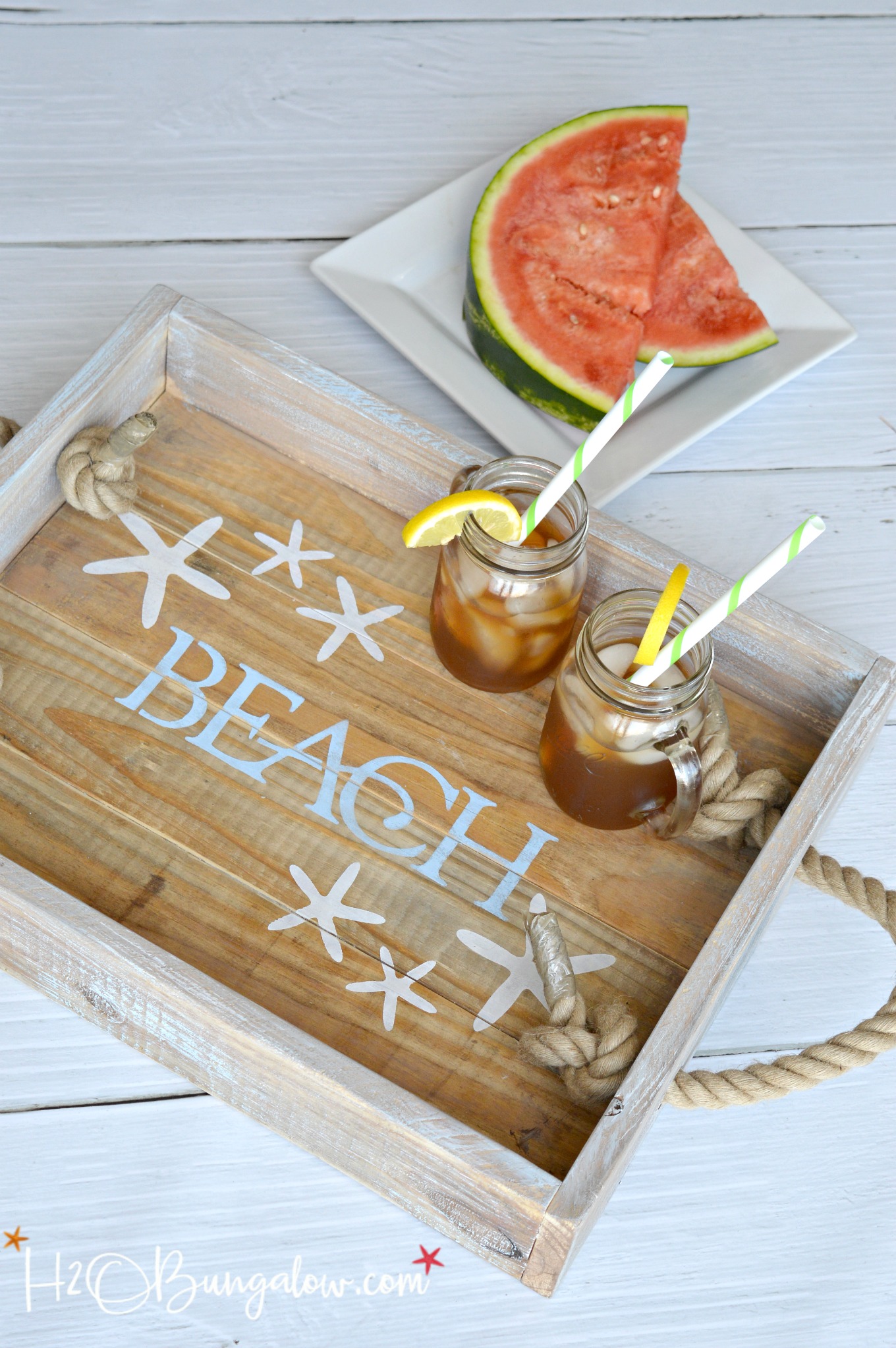
DIY Wood Serving Trays with Custom Finishes for Extra Profit

DIY Wood Serving Trays with Custom Finishes for Extra Profit

DIY Wood Serving Trays with Custom Finishes for Extra Profit

In the realm of crafting and entrepreneurial endeavors, the allure of creating personalized and functional items holds immense appeal. Among the multitude of DIY projects that promise both satisfaction and potential profit, crafting custom wood serving trays stands out as a particularly rewarding pursuit. This article delves into the intricacies of crafting these elegant pieces, exploring the various aspects involved in their creation, from material selection to finishing techniques, with an emphasis on maximizing profit potential.

Selecting the Right Wood: A Foundation for Excellence

The choice of wood forms the bedrock of any successful serving tray. Opting for the right material not only influences the aesthetic appeal but also determines durability and longevity. Several wood species are favored for their inherent qualities and compatibility with serving tray construction:

Popular Wood Choices:

  • Hardwood:
    • Maple: Renowned for its strength, durability, and warm, natural grain. Often preferred for its resistance to scratches and dents, making it ideal for serving trays that will experience regular use.
    • Cherry: Known for its beautiful, reddish-brown tones and rich grain. Possesses a moderate hardness and excellent workability, making it a versatile option for various tray designs.
    • Walnut: Characterized by its stunning dark brown color and distinctive, swirling grain patterns. A highly sought-after wood for its elegance and luxurious aesthetic.
  • Softwood:
    • Pine: A budget-friendly option with a light, airy appearance and pleasing aroma. Its softness makes it easy to work with but requires careful handling to prevent scratches and dents.
    • Cedar: Celebrated for its natural resistance to insects and its pleasant, aromatic fragrance. A good choice for serving trays intended for outdoor use.

    When selecting wood, consider the intended use of the trays, the desired aesthetic, and the budget allocated. Hardwoods generally command a higher price, but they also offer superior durability. Softwoods provide a more affordable alternative, particularly for beginners.

    Crafting the Perfect Tray: Design and Construction

    The design and construction of the serving tray are critical to its functionality and overall appeal. Consider the following elements:

    Design Considerations:

    • Shape and Size: Determine the shape and dimensions of the tray based on its intended use. Rectangular trays are versatile and practical, while round or oval trays offer a more elegant aesthetic. Consider standard serving sizes and the types of items the tray will carry.
    • Handles: Handles provide a comfortable and secure grip for carrying the tray. They can be incorporated into the design using various techniques, such as mortise and tenon joints, dovetail joints, or simply attaching handles with screws or glue. The choice depends on the overall style and construction methods.
    • Edges: The edges of the tray can be rounded or straight, depending on the desired aesthetic. Rounded edges offer a more comfortable and polished look, while straight edges provide a more minimalist and modern feel.
    • Raised Borders: Raised borders can be incorporated to create a more visually interesting design and to prevent items from sliding off the tray. The borders can be of varying thickness and can be embellished with decorative details.

    Construction Techniques:

    • Hand-Cut: This traditional method offers a more rustic and personal touch, but it requires a high level of skill and patience. Using hand tools like saws, chisels, and planes, the wood is carefully shaped and joined.
    • Power Tools: Power tools like table saws, routers, and sanders can greatly speed up the construction process. They allow for greater precision and consistency, making them ideal for larger batches of trays.
    • Joining Techniques: Various joining methods can be employed to construct the tray, depending on the desired strength and aesthetic. Common techniques include:
      • Butt Joints: Simple and straightforward, but less durable than other methods.
      • Mortise and Tenon: Strong and secure, ideal for creating sturdy and long-lasting trays.
      • Dovetail Joints: Known for their strength and decorative appearance, often used in high-end furniture making.
      • Glue and Screws: A practical and affordable option, particularly for beginners.

    Custom Finishes: Elevating the Tray's Appeal

    Custom finishes are essential for adding character, style, and uniqueness to serving trays. These finishes can range from simple stains and varnishes to more elaborate techniques like painting, decoupage, and etching.

    Popular Finishing Techniques:

    • Staining: Stains enhance the natural beauty of the wood grain, adding depth and color while allowing the grain patterns to show through. Available in a wide range of colors and finishes, from light and natural to dark and rich.
    • Varnishing: Varnishes provide a protective layer that shields the wood from scratches, spills, and moisture. They come in various finishes, including gloss, satin, and matte, each offering a different level of shine and sheen.
    • Painting: Painting allows for endless creative possibilities, enabling the creation of bold and vibrant designs. Trays can be painted in solid colors, patterned designs, or even decorative scenes.
    • Decoupage: Decoupage involves applying decorative paper or fabric to the surface of the tray using glue and varnish. This technique offers a unique and personalized touch, allowing you to incorporate patterns, images, or even vintage maps.
    • Etching: Etching creates a permanent design or inscription on the wood surface. Using specialized tools and techniques, you can etch patterns, monograms, or even custom messages onto the tray.
    • Distressed Finishes: Distressed finishes give the trays a vintage and rustic look. This can be achieved through techniques like sanding, hammering, or using paint to create a chipped or aged effect.

    Experiment with different finishes and techniques to discover your unique style and create trays that appeal to a wide range of customers. Remember that custom finishes can greatly increase the perceived value and price point of your trays.

    Pricing Strategies for Maximum Profit:

    Determining the right price for your custom serving trays is essential for ensuring profitability. Consider the following factors when setting your prices:

    Cost of Materials and Labor:

    • Wood: The cost of wood varies depending on the species, quality, and size. Factor in the price of wood and any necessary hardware, like handles, hinges, or fasteners.
    • Finishes: Account for the cost of stains, varnishes, paints, and any other finishing materials. Consider the amount of time and effort required for each finishing technique.
    • Labor: Estimate the time spent on design, construction, and finishing. Factor in your time and skill level, as well as the cost of any tools or equipment used.
    • Overhead Costs: Consider any overhead costs associated with your business, such as rent, utilities, insurance, and marketing.

    Pricing Models:

    • Cost-Plus Pricing: This method involves calculating the total cost of materials, labor, and overhead and adding a profit margin. A common profit margin is 20-30% of the total cost.
    • Competitive Pricing: Research the prices of similar serving trays from other makers. Consider the quality of materials, the complexity of design, and the perceived value of your custom finishes. Adjust your pricing accordingly to remain competitive.
    • Value-Based Pricing: Focus on the unique value you offer, including the quality of materials, craftsmanship, custom finishes, and personalization options. Price your trays accordingly to reflect their perceived value and appeal to discerning customers.

    Remember, pricing is a balancing act. You want to set prices that are competitive, profitable, and fair to your customers.

    Marketing and Sales Strategies for Success

    Once you have created your exquisite serving trays, it's time to market and sell them to a wider audience. Here are some strategies for promoting your creations and reaching potential customers:

    Online Sales Platforms:

    • Etsy: A popular marketplace for handcrafted goods, Etsy offers a ready-made audience of buyers seeking unique and personalized items. Create a compelling shop profile and high-quality product listings to attract customers.
    • Shopify: A platform for building your own online store, Shopify allows you to create a professional online presence and manage your sales efficiently. You can customize your store's design and integrate various marketing tools.
    • Social Media: Utilize platforms like Instagram, Facebook, and Pinterest to showcase your serving trays and connect with potential customers. Post high-quality photos and videos, use relevant hashtags, and engage with your followers.
    • Online Marketplaces: Consider selling your trays on platforms like Amazon Handmade, eBay, or other relevant marketplaces to reach a wider audience.

    Local Market and Craft Fairs:

    • Craft Shows: Participate in local craft fairs and markets to sell your trays directly to customers. These events offer a great opportunity for face-to-face interaction and personalized customer service.
    • Farmers' Markets: Consider setting up a booth at a local farmers' market, where you can tap into a community of customers seeking unique and handcrafted products.

    Additional Marketing Techniques:

    • Word-of-Mouth: Encourage customer referrals and testimonials to build your brand reputation and attract new buyers.
    • Local Partnerships: Collaborate with local businesses, such as gift shops, home decor stores, or restaurants, to sell your trays.
    • Email Marketing: Build an email list of interested customers and send out newsletters, promotions, and updates about your new products.

    Conclusion: A Recipe for Profitable Success

    Crafting custom wood serving trays with unique finishes is a fulfilling and potentially lucrative endeavor. By carefully selecting materials, mastering construction techniques, and leveraging effective marketing strategies, you can create beautiful and sought-after pieces that appeal to a wide range of customers. Remember to always strive for quality, creativity, and exceptional customer service. With dedication and passion, you can turn your passion for woodworking into a successful and rewarding business venture.

Share:

Profitable Tiered Plant Stands for Outdoor Spaces

Profitable Tiered Plant Stands for Outdoor Spaces

Profitable Tiered Plant Stands for Outdoor Spaces

Hey there, plant lovers! If you're looking to spruce up your outdoor space and make a little extra cash along the way, then you've come to the right place. Tiered plant stands are hot right now, and they're a fantastic way to showcase your green thumb while turning a profit. Let's dive into the world of profitable plant stands and explore some ideas to get you started.

Why Tiered Plant Stands Are a Winner

Think about it. Tiered plant stands offer a ton of benefits, both for you and your customers:

  • Space-saving: They maximize vertical space, perfect for smaller gardens or patios.
  • Visual Appeal: They create stunning displays of greenery, adding a touch of elegance to any outdoor area.
  • Versatility: You can use them to showcase a variety of plants, from vibrant flowers to lush ferns.
  • Easy to Move: Most stands are portable, making them adaptable to different locations.
  • Potential for Profit: You can sell them, rent them out for events, or even offer them as part of a plant-styling service.

Types of Tiered Plant Stands

The possibilities are endless when it comes to tiered plant stands. Here are a few popular types to get your creative juices flowing:

Metal Tiered Plant Stands

Metal stands are durable, weather-resistant, and come in a range of styles. You can find them in sleek black, rustic iron, or even with a touch of copper or gold for a modern look.

Wood Tiered Plant Stands

Wood stands are a classic choice, adding a touch of warmth and natural beauty to any setting. From rustic reclaimed wood to polished teak, there's a wood stand to fit any aesthetic.

Tiered Plant Stands with Hanging Baskets

These stands combine tiered shelves with hanging baskets, allowing you to showcase plants in a variety of ways. They're particularly popular for showcasing trailing plants and cascading flowers.

DIY Tiered Plant Stands

For a truly unique touch, consider creating your own tiered plant stands. Repurpose old ladders, crates, or even pallet wood to create one-of-a-kind pieces.

Profitable Ideas for Tiered Plant Stands

Now that you've got a good understanding of the types of tiered plant stands, let's talk about how you can turn them into a profitable venture:

Selling Tiered Plant Stands

This is the most straightforward way to profit. Build or source stands and sell them online, at local markets, or through craft fairs. Offer a variety of sizes, materials, and styles to cater to different tastes and budgets.

Renting Tiered Plant Stands

Rental is a great option if you want to start with a smaller investment. Offer your stands for weddings, parties, corporate events, or even garden tours. Make sure to have a clear rental agreement that outlines terms and conditions.

Plant Styling Services

Combine your love for plants with your creative eye. Offer plant styling services using your tiered stands. You can help clients create beautiful displays for their homes, businesses, or outdoor spaces.

Workshops and Classes

Share your knowledge and passion for plants by offering workshops or classes. Teach participants how to create their own tiered plant stands, choose the right plants, and care for them.

Tips for Success

Here are some tips to help you turn your tiered plant stand business into a thriving success:

  • High-Quality Materials: Invest in sturdy, durable materials that will withstand the elements and last for years to come.
  • Unique Designs: Offer stands with unique designs and finishes to set yourself apart from the competition.
  • Strong Branding: Develop a memorable brand name and logo to create a strong visual identity.
  • Social Media Presence: Showcase your creations and engage with potential customers through platforms like Instagram and Pinterest.
  • Excellent Customer Service: Provide prompt responses, clear communication, and a positive experience for every customer.

The Bottom Line

Tiered plant stands are a fantastic way to express your creativity and earn some extra income. With a little effort and a touch of green magic, you can turn your passion for plants into a profitable business. So, get started today and let your plant stand dreams bloom!

Share:

Step-by-Step Guide to Making a DIY Firewood Rack from Pallets

Step-by-Step Guide to Making a DIY Firewood Rack from Pallets

DIY Firewood Rack from Pallets: A Step-by-Step Guide

Alright, so you’ve got a bunch of pallets lying around, and you’re itching to give them a new life. Maybe you’ve been dreaming of a rustic firewood rack to keep your wood dry and organized. Well, guess what? You’re in luck! I’m going to walk you through making your own pallet firewood rack, step-by-step. It's a fun project that will leave you feeling accomplished and cozy.

What You'll Need

Before you jump into the building process, you’ll need to gather your supplies. Don’t worry, most of them are probably already lying around your garage! Here’s what you’ll need:

  • Pallets: You’ll need at least one, but two are better if you want a larger rack.
  • Circular saw: This will help you cut the pallets to size and shape.
  • Safety glasses: Always protect your eyes, especially when working with wood.
  • Measuring tape: Accuracy is key, so use a trusty measuring tape.
  • Pencil: For marking your cuts on the pallet.
  • Screwdriver: To secure the pallet pieces together.
  • Wood screws: Choose screws that are long enough to go through the pallet boards.
  • Sandpaper: For smoothing out any rough edges.
  • Wood stain or paint (optional): To give your rack a polished look.

Preparing the Pallets

Okay, let’s get started! The first step is to give your pallets a good cleaning. Dust them off, remove any loose nails, and make sure they’re free of debris. This will make working with them much easier.

Choosing Your Pallet

Now, take a good look at your pallets. You want to choose a pallet that’s sturdy and doesn’t have any major warping or damage. If you're using two pallets, make sure they’re roughly the same size.

Disassembling the Pallet

If you’re using a whole pallet for your rack, you may need to remove some boards for stability or to create a specific design. This is where your circular saw comes in handy.

Safety First!

Remember, safety is paramount! Always wear safety glasses when using power tools. Also, it’s a good idea to clamp down the pallet securely before making any cuts to prevent it from moving around.

Building the Firewood Rack

Now comes the fun part! Let’s build your firewood rack. Here’s the basic process:

1. Design Your Rack

Take a moment to envision how you want your rack to look. Do you want a simple, rectangular design, or something more intricate? Consider how much firewood you want to store and what kind of space you have available.

2. Cut the Pallet Pieces

Once you have a design in mind, you can start cutting the pallet pieces to size. Use your measuring tape and pencil to mark your cuts, then carefully cut them with your circular saw. Remember to be extra careful when working with power tools.

3. Assemble the Rack

Now it’s time to put your rack together. Use your screwdriver and wood screws to connect the pallet pieces. Start with the base of your rack, then add the sides and any other structural elements you've planned. Make sure the screws are long enough to secure the wood well.

4. Sand Down the Edges

After your rack is assembled, give it a good sanding to smooth out any rough edges or splinters. This will prevent any injuries and create a more polished finish.

5. Finishing Touches

This is where you get to unleash your creativity! If you want to give your rack a unique look, you can stain or paint it. Choose a color that complements your outdoor decor or go for a natural wood finish.

Tips for a Stunning Firewood Rack

Here are some tips to make your DIY firewood rack even more impressive:

  • Use different pallet sizes: For a unique design, try incorporating pallets of different sizes. You can even use smaller pallet pieces as shelves or accents.
  • Add some rustic charm: You can enhance the rustic look of your rack by using reclaimed wood for shelves or back panels. Consider adding salvaged metal accents, like old hinges or brackets, for a more industrial feel.
  • Create storage space: Build in additional shelves or drawers to store kindling, fire starters, or other fireplace accessories.
  • Get creative with lighting: If you want to make your rack a focal point in your backyard, consider adding some lighting. String lights, solar-powered lanterns, or even a mounted spotlight can create a warm and inviting ambiance.

Ready to Get Started?

There you have it! Now you’ve got all the information you need to build a fantastic firewood rack from pallets. Don’t be afraid to get creative and experiment with different designs. Remember, the most important thing is to have fun and enjoy the process. You’ll be surprised at how much you can achieve with a little bit of effort and a few recycled pallets. So get out there, gather your tools, and start building your very own rustic firewood rack!

Share:

How to Repurpose Wooden Pallets for a Practical Firewood Rack

How to Repurpose Wooden Pallets for a Practical Firewood Rack

Repurposing Wooden Pallets for a Practical Firewood Rack

In the pursuit of eco-conscious living and maximizing resource utilization, repurposing materials has gained significant traction. Wooden pallets, ubiquitous in the shipping and logistics industry, offer a readily available source of sturdy, durable wood that can be transformed into functional and aesthetically pleasing pieces. This article delves into the practicality of repurposing wooden pallets for the construction of a firewood rack, providing a comprehensive guide to materials, tools, and techniques for crafting a functional and stylish storage solution for your firewood.

Assessing and Selecting Pallets for Firewood Rack Construction

The first step in this endeavor is to carefully assess the pallets available for repurposing. It's crucial to select pallets that meet the following criteria:

Structural Integrity

The pallets should be structurally sound, with minimal signs of damage, decay, or warping. Inspect the wood for any cracks, splinters, or loose nails that could compromise the integrity of the rack. It's essential to ensure the pallet can withstand the weight of the firewood without collapsing or breaking.

Material Quality

Opt for pallets made from sturdy hardwoods like oak, maple, or pine, as these woods are naturally resistant to rot and decay, ensuring the longevity of your firewood rack. Avoid pallets made from softwoods like pine, as they may be more prone to splintering and damage under the weight of the firewood.

Treatment Considerations

Pallets treated with chemical preservatives like methyl bromide or chromated copper arsenate (CCA) should be avoided for firewood storage, as these chemicals can pose health risks. If you encounter treated pallets, ensure they are labeled as "heat-treated" or "HT," indicating they are safe for use with firewood. Untreated pallets are the safest option, as they are free from harmful chemicals.

Tools and Materials for Pallet Firewood Rack Construction

Once you've chosen the appropriate pallets, gather the necessary tools and materials for the construction process:

  • Circular saw or hand saw
  • Safety glasses
  • Gloves
  • Measuring tape
  • Level
  • Hammer
  • Screwdriver or drill
  • Wood screws
  • Sandpaper (various grits)
  • Wood stain or paint (optional)

Step-by-Step Guide to Building a Pallet Firewood Rack

Now, let's embark on the construction process, following these detailed steps:

Step 1: Disassembly and Preparation

Begin by dismantling the pallet carefully, removing nails and staples with a hammer or pry bar. Separate the boards, paying attention to their condition. Any damaged or warped boards should be discarded. Sand the remaining boards thoroughly, removing any splinters or rough edges to prevent injuries. If desired, apply a wood stain or paint to enhance the aesthetics of the rack.

Step 2: Framework Construction

Next, assemble the framework of the firewood rack. This involves creating a rectangular structure using the prepared pallet boards. You can choose a freestanding design with four legs or opt for a wall-mounted option for space-saving purposes. For freestanding racks, cut four boards to the desired height of the legs and attach them to the base using screws. For wall-mounted racks, attach two boards horizontally to the wall at the desired height, leaving sufficient space for the firewood.

Step 3: Adding Shelves and Support

Once the framework is complete, add shelves for storing the firewood. Use the remaining pallet boards to create shelves at varying heights, ensuring adequate spacing for different sizes of firewood. Attach the shelves to the framework using screws, creating a secure and stable structure. Additional support can be provided by incorporating cross braces between the shelves, further enhancing the rack's structural integrity.

Step 4: Finishing Touches and Placement

Finally, finish the firewood rack by sanding any rough edges and applying a sealant or protective coating to enhance its durability and water resistance. Consider adding a decorative touch with a coat of paint or stain. Position the rack in a convenient location near your fireplace or outdoor fire pit, ensuring adequate ventilation and accessibility for loading and unloading firewood.

Tips for Enhancing Functionality and Aesthetics

To optimize the practicality and aesthetics of your pallet firewood rack, consider the following suggestions:

  • Maximize Storage Capacity: Design the rack with adjustable shelves or compartments to accommodate different firewood sizes and quantities. This versatility allows for efficient utilization of space and convenient storage.
  • Prioritize Accessibility: Position the rack in a readily accessible location, ensuring comfortable access for loading and unloading firewood. Consider incorporating features like handles or wheels for ease of movement.
  • Add Personal Style: Enhance the aesthetics of the rack by incorporating personal touches. Apply a creative paint job, add decorative hardware, or create unique patterns with the pallet boards.
  • Integrate into Outdoor Decor: Consider integrating the firewood rack into your outdoor decor. Paint it to complement your patio furniture, or use it as a base for a decorative planter.

Conclusion

Repurposing wooden pallets for a firewood rack is an environmentally responsible and cost-effective approach to creating functional and stylish storage solutions. By following the steps outlined in this article, you can craft a custom-built firewood rack that complements your home and lifestyle. Remember to prioritize safety, structural integrity, and aesthetic appeal as you embark on this project, ensuring a durable and visually pleasing addition to your living space.

Share:

Squirrel Den Box DIY: From Plans to Finish

Squirrel Den Box DIY: From Plans to Finish

Squirrel Den Box DIY: From Plans to Finish

The allure of squirrels, with their bushy tails and acrobatic feats, often draws us to their charming antics. While we appreciate their presence, sometimes their incessant foraging for nuts and seeds can become a nuisance. A squirrel den box, also known as a squirrel nesting box, provides a safe and comfortable haven for these creatures, keeping them off your feeders and property. This article will guide you through the process of building a squirrel den box from scratch, offering a comprehensive approach, from selecting materials to the final finishing touches.

Choosing the Right Materials

The materials you choose for your squirrel den box will determine its durability and longevity. Opt for weather-resistant and long-lasting options to ensure your creation withstands the elements and provides years of comfortable shelter for your furry tenants.

Wood

For the main structure, consider using:

  • Cedar: Known for its natural resistance to rot and insects, cedar is a preferred choice for outdoor projects.
  • Redwood: Like cedar, redwood boasts excellent durability and weather resistance, making it suitable for squirrel den boxes.
  • Pressure-Treated Pine: This option is budget-friendly and offers good resistance to moisture and decay.

Avoid using softwoods like pine or spruce for the main structure, as they are prone to damage from squirrels' sharp claws.

Hardware

For securing the den box components, use:

  • Galvanized or stainless steel screws: These resist rust and corrosion, ensuring a long-lasting build.
  • Heavy-duty hinges: Choose hinges designed for outdoor use to prevent them from rusting or failing.
  • Weatherproof sealant: Apply sealant to all joints and exposed wood to protect against moisture and decay.

Essential Tools and Equipment

Before you embark on your squirrel den box construction, gather the necessary tools and equipment to ensure a smooth and efficient building process.

  • Circular Saw or Jigsaw: For cutting wood to size.
  • Drill: For drilling pilot holes and securing screws.
  • Screwdriver: For driving screws.
  • Tape Measure: For accurate measurements.
  • Level: For ensuring the box is level and stable.
  • Hammer: For securing nails (if using).
  • Safety Glasses: To protect your eyes from debris.
  • Work Gloves: For protection while handling tools and wood.
  • Clamps: For holding pieces together while securing them with screws.
  • Pencil: For marking wood for cuts and measurements.

Squirrel Den Box Plans

The size and design of your squirrel den box can vary, but here is a general plan to follow:

Dimensions

The internal dimensions of your squirrel den box should be at least 12 inches wide, 12 inches deep, and 18 inches tall. These dimensions provide ample space for squirrels to move around comfortably. However, you can adjust the size based on your local squirrel population.

Construction Details

  • Base: Cut four pieces of wood to the desired size and secure them to form the base of the box.
  • Sides and Back: Cut four more pieces of wood to create the sides and back of the box. These pieces should be tall enough to accommodate the internal height of the box. Attach them to the base using screws.
  • Front: Cut a piece of wood to create the front of the box. Make sure it's hinged at the top so it can be opened for cleaning. Attach the front using screws.
  • Roof: Cut two pieces of wood to form the roof. The roof should overhang the sides and back of the box to protect the interior from rain. Attach the roof to the sides and back using screws.
  • Entrance Hole: Drill an entrance hole on the front of the box, roughly 3-4 inches in diameter. This hole should be positioned high enough to allow squirrels to easily enter and exit.
  • Ventilation: Drill a few small ventilation holes on the sides or back of the box to allow air circulation. This helps prevent moisture buildup inside the box.

Final Touches and Placement

Once your squirrel den box is constructed, it's time to add the finishing touches and choose the perfect location for your new squirrel haven.

Finishing

  • Painting: If desired, paint the exterior of the box with a weatherproof paint to enhance its appearance and protect the wood. Use non-toxic paint if you plan to attract squirrels.
  • Sealing: Apply a weatherproof sealant to all joints and exposed wood to prevent moisture damage.
  • Interior Bedding: Add a layer of soft material like shredded paper, wood shavings, or straw to the interior of the box. This provides insulation and comfort for the squirrels.

Placement

Choose a location that is:

  • Protected: Place the box in a sheltered spot, out of direct sunlight and rain.
  • Secure: Mount the box securely to a tree or post, ensuring it cannot fall or be easily dislodged.
  • Accessible: Position the box within the squirrels' territory, allowing them to easily find and utilize it.
  • Elevated: Mount the box at least 6-10 feet off the ground to deter predators and provide a better view of the surroundings.

Maintenance and Monitoring

Regular maintenance of your squirrel den box ensures its long-term effectiveness and provides a safe and comfortable home for your furry guests.

  • Clean Regularly: Inspect the box periodically and clean it as needed. Remove any debris, droppings, or nesting materials.
  • Replace Bedding: Replace the bedding material every few months, or as needed, to maintain a clean and sanitary environment.
  • Repair Damage: Inspect the box for any damage caused by weather or squirrels. Repair any cracks or holes promptly to ensure the box remains structurally sound.

Conclusion

Building a squirrel den box is a rewarding project that provides a haven for these delightful creatures. By carefully selecting materials, following the plans, and adding finishing touches, you can create a safe and comfortable home for your local squirrels. Remember to maintain the box regularly to ensure it remains in good condition for years to come. Enjoy watching your furry tenants settle into their new abode and delight in the charming antics of these playful creatures.

Share:

How to Construct a Cold Frame in a Weekend

How to Construct a Cold Frame in a Weekend

How to Construct a Cold Frame in a Weekend

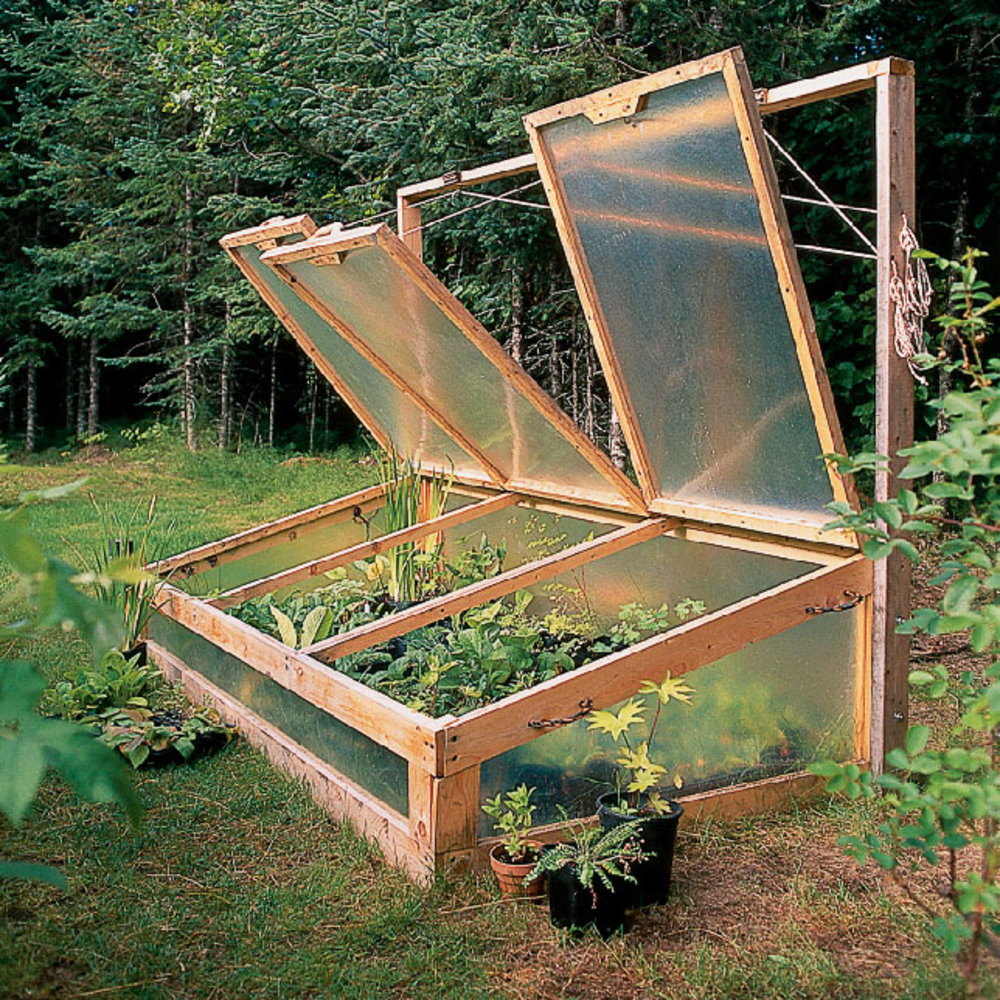
A cold frame is a simple, inexpensive structure that can extend your gardening season and help you get a jump start on spring planting. It works by trapping solar heat and creating a microclimate that is warmer than the surrounding air, protecting your plants from frost and harsh weather conditions. Building a cold frame yourself is a rewarding project that can be completed in a weekend with basic DIY skills and readily available materials. Here's a step-by-step guide to help you create your own cold frame.

Choosing the Right Location

The first step is to choose the perfect spot for your cold frame. Look for a sunny location that receives at least six hours of sunlight per day. Ideally, it should be near a water source for easy access to water. Consider the prevailing wind direction and select a spot sheltered from strong winds. A south-facing location is preferred for maximum solar gain. You'll also want to make sure the ground is relatively level and well-drained.

Gathering Your Materials

Once you have chosen your location, you need to gather the materials you need to build your cold frame. The following is a list of common materials for a basic cold frame:

  • Wood: You can use pressure-treated lumber for the frame, but cedar or redwood are better choices because they resist rot and decay.
  • Glass or Polycarbonate Sheet: Glass offers excellent light transmission but can be heavy and breakable. Polycarbonate is lightweight, durable, and shatterproof, making it a good alternative.
  • Screws: Choose screws that are appropriate for the type of wood you are using.
  • Caulk: This will help seal gaps and prevent drafts.
  • Optional: Hinges and a Latch: These are helpful for creating a lid that can be opened and closed for ventilation.

Constructing the Frame

Now it's time to build the frame for your cold frame. Cut the wood to the desired dimensions. A typical cold frame is about 3 feet wide, 4 feet long, and 1 foot high. Assemble the frame using screws, making sure the corners are square and secure.

Building the Lid

The lid is a critical component, as it traps heat and regulates temperature. Create a frame that is slightly larger than the base to ensure proper ventilation. Attach glass or polycarbonate to the lid frame, ensuring it is securely fixed and there are no gaps. If you want a hinged lid, install hinges at the back of the frame and a latch to secure it.

Finishing Touches

Once the frame is complete, seal any gaps with caulk to prevent drafts and moisture from entering. You may also want to paint the exterior of the frame to protect it from the elements.

Preparing the Cold Frame

Now, prepare your cold frame for planting. Add a layer of drainage material like gravel or pea gravel at the bottom to prevent waterlogging. Next, add a layer of potting soil or a mixture of soil and compost.

Planting and Caring for Your Cold Frame

You can start seeds directly in your cold frame or transplant seedlings from indoors. Water regularly, especially during dry spells. Monitor the temperature inside your cold frame and adjust ventilation as needed. Remove weeds and dead plants.

Enjoying Your Cold Frame

Now that you have built your own cold frame, enjoy extending your gardening season and starting your plants early! With a little effort, you can create a flourishing haven for your plants and reap the rewards of a longer harvest.

Share:

Building a wooden clock: a beginnerÂ’s diy guide

Building a wooden clock: a beginner’s diy guide

Building a Wooden Clock: A Beginner's DIY Guide

Embark on a fulfilling woodworking project and craft a timeless piece with this comprehensive guide to building a wooden clock. This step-by-step instructions will guide you through every stage, from selecting materials to assembling the final product. Whether you're a seasoned woodworker or a curious beginner, this guide will equip you with the knowledge and confidence to create a unique and functional clock that will adorn your home for years to come.

Materials and Tools

Before diving into the construction process, gather the necessary materials and tools. This will ensure a smooth and efficient workflow:

Materials

  • Wood for the Clock Case: Choose a sturdy hardwood like walnut, cherry, or maple. Consider the desired size and style of your clock.
  • Clock Movement Kit: This kit will include the clock hands, motor, and mounting hardware. Select a kit that matches the size and design of your clock case.
  • Wood Glue: Use a high-quality wood glue for strong and durable joints.
  • Finishing Supplies: This may include wood stain, varnish, paint, or other desired finishes.
  • Hardware: You may need screws, nuts, bolts, and other hardware depending on the clock design.

Tools

  • Table Saw: For accurate and precise cuts, a table saw is essential.
  • Miter Saw: A miter saw ensures perfect angles for the clock case.
  • Drill: Use a drill with various drill bits to create holes for hardware and clock movement mounting.
  • Sandpaper: Different grit sandpaper will be used to smooth surfaces and prepare them for finishing.
  • Clamps: Clamps are necessary to hold pieces together while glue dries.
  • Measuring Tape: Accurately measure all pieces for precise construction.
  • Pencil: Use a pencil to mark cuts and measurements on the wood.
  • Safety Glasses and Dust Mask: Protect your eyes and respiratory system during the woodworking process.

Clock Case Construction

Now, let's begin building the foundation of your wooden clock: the case. Follow these steps to construct a sturdy and aesthetically pleasing enclosure:

1. Cut the Pieces

Carefully measure and cut the wood according to your clock design. The clock case typically consists of four sides, a bottom, and a top. Use the table saw and miter saw to make precise cuts.

2. Assemble the Case

Apply wood glue to the edges of the sides and bottom pieces. Carefully align and clamp them together to form the base of the clock. Allow the glue to dry completely according to the manufacturer's instructions.

3. Attach the Top

Once the base is dry, attach the top piece to the sides. Apply glue and clamp the top in place. Ensure the top is flush with the sides and bottom of the case.

4. Sanding and Finishing

After the glue has cured, sand all surfaces of the clock case smooth. Start with a coarse grit sandpaper and gradually progress to finer grits to achieve a smooth finish. Apply your desired finish, such as stain, varnish, or paint, according to the manufacturer's instructions.

Clock Movement Installation

With the clock case complete, it's time to install the heart of your creation: the clock movement. Here's how to seamlessly integrate the movement into the case:

1. Prepare the Movement

Before installing the clock movement, review the instructions provided with the kit. Familiarize yourself with the components and mounting procedures.

2. Mark the Mounting Position

Decide on the placement of the clock movement within the case. Use a pencil to mark the mounting location on the back of the case.

3. Drill Pilot Holes

Drill pilot holes at the marked locations. This will prevent the wood from splitting when screwing in the mounting hardware. The size of the pilot holes should be slightly smaller than the screws provided with the kit.

4. Mount the Movement

Align the clock movement with the marked position and secure it to the case using the screws provided with the kit. Ensure the movement is level and securely attached.

5. Attach the Hands

Carefully attach the clock hands to the movement's spindle. Align the hands according to the instructions provided with the kit.

Finishing Touches

As you approach the final stages of your clock-building journey, add those finishing touches that make your creation truly unique:

1. Clock Face

If your clock movement doesn't come with a pre-printed clock face, you have the opportunity to personalize it. You can create a custom clock face using a stencil, paint, or even woodburning techniques.

2. Clock Hands

You can customize the clock hands to match the overall design of your clock. Consider adding decorative elements or changing the material to create a unique aesthetic.

3. Mounting and Display

Decide how you want to display your clock. You can mount it on the wall using a hanger or place it on a stand. Ensure the mounting method is secure and aesthetically pleasing.

Conclusion

Building a wooden clock is a rewarding project that combines creativity, craftsmanship, and functionality. By carefully following the steps outlined in this guide, you can create a beautiful and unique timepiece that will be a cherished addition to your home.

Remember, each step of the process is an opportunity to personalize your clock. Experiment with different wood types, finishes, and designs to create a truly distinctive and meaningful piece. Enjoy the journey of crafting your own wooden clock, a testament to your woodworking skills and dedication to creating something special.

Share:

Unique Squirrel Box Plans to Build This Weekend

Unique Squirrel Box Plans to Build This Weekend

Unique Squirrel Box Plans to Build This Weekend

Do you love watching squirrels scamper around your yard? Do you enjoy seeing them stash away their nuts for the winter? If so, you may want to consider building a squirrel box for them to live in. Not only is it a fun project, but it's also a great way to help these furry creatures find a safe and cozy place to call home.

There are many different types of squirrel boxes you can build, each with its own unique design. Some are simple and easy to construct, while others are more challenging. No matter your skill level, you can find a plan that's perfect for you.

Here are some unique squirrel box plans you can build this weekend:

A Squirrel Box with a Built-In Feeder

This squirrel box features a built-in feeder, making it easy for squirrels to grab a snack. To make this feeder, you'll need to build a small platform inside the box. The platform should be large enough to hold a small bowl or dish of food. Add a small ledge under the platform for squirrels to perch on.

You can even add a small, hinged door to the front of the box. This allows you to easily access the feeder to fill it up. The platform can be used to house a bird feeder for a bonus!

Materials You'll Need:

  • 1x6 lumber
  • 1x8 lumber
  • Wood screws
  • Wood glue
  • Weatherproof paint or stain
  • Small metal bowl or dish

Instructions:

1. Cut the lumber to size. 2. Assemble the box using wood glue and screws. 3. Attach the feeder platform to the inside of the box. 4. Attach the feeder door to the front of the box. 5. Paint or stain the box. 6. Place the box in a tree or on a post. 7. Fill the feeder with nuts, seeds, or other squirrel treats.

A Squirrel Box with a Viewing Window

This squirrel box is perfect for observing your furry friends from the comfort of your own home. You can use a glass panel for the viewing window or a strong plastic material. To add a window, you can either use a pre-cut piece of glass or make a hole in the side of the box for a piece of glass. You'll need to secure the window to the box with weather-resistant sealant.

A viewing window provides a great opportunity to watch squirrels go about their daily routines, such as gathering and storing food, grooming themselves, and playing with each other. You can even add a small ventilation hole above or below the window to help circulate air in the box.

Materials You'll Need:

  • 1x6 lumber
  • 1x8 lumber
  • Wood screws
  • Wood glue
  • Weatherproof paint or stain
  • Glass or plastic panel
  • Weather-resistant sealant

Instructions:

1. Cut the lumber to size. 2. Assemble the box using wood glue and screws. 3. Cut a hole for the viewing window. 4. Secure the viewing window to the box with weather-resistant sealant. 5. Paint or stain the box. 6. Place the box in a tree or on a post.

A Squirrel Box with a Hidden Entrance

This squirrel box has a hidden entrance that makes it difficult for predators to access. To create a hidden entrance, you'll need to build a small tunnel leading into the box. The tunnel can be built using a piece of PVC pipe or a piece of wooden board.

To create a wooden tunnel, you can attach a section of board to the bottom of the box. Then, you can create a curved opening to the tunnel. Squirrels will be able to easily navigate the tunnel, while predators won't be able to. You can even add a small vent to the top of the tunnel for ventilation. The vent can be made with screen wire or a small piece of wood with holes drilled into it.

Materials You'll Need:

  • 1x6 lumber
  • 1x8 lumber
  • Wood screws
  • Wood glue
  • Weatherproof paint or stain
  • PVC pipe or a piece of wooden board
  • Screen wire or small piece of wood for vent

Instructions:

1. Cut the lumber to size. 2. Assemble the box using wood glue and screws. 3. Build the tunnel leading to the box. 4. Attach the tunnel to the box. 5. Add a vent to the top of the tunnel. 6. Paint or stain the box. 7. Place the box in a tree or on a post.

No matter which type of squirrel box you choose to build, you're sure to enjoy watching these furry creatures make themselves at home. Be sure to place the box in a secure location, and remember to check on it regularly to ensure it's in good condition.

Share:

How to make a study desk for kids with woodworking

How to make a study desk for kids with woodworking

Building a Study Desk for Kids: A Comprehensive Guide

Creating a dedicated study space for your child can be a rewarding and beneficial project. A well-designed study desk, crafted with love and attention to detail, provides a conducive environment for learning, concentration, and creativity. This comprehensive guide will walk you through the process of building a study desk for your kids, from planning to finishing touches.

Planning and Design

Before diving into the woodworking, it's crucial to carefully plan the design and dimensions of your child's study desk. This includes considering their age, height, and individual needs.

1. Determine Dimensions and Layout

  • Age and Height: Adjust the desk height to suit your child's height. A standard desk height for adults is 29 inches, but children may need a lower height, around 26-28 inches.
  • Workspace Size: Consider the amount of space required for books, notebooks, and other study materials. A typical desk width of 48 inches is suitable for most kids.
  • Storage Needs: Incorporate drawers, shelves, or cubbies for organizing stationery, books, and other items.
  • Desk Shape: Choose a desk shape that fits the available space and your child's preferences. Rectangular desks offer maximum workspace, while L-shaped desks can provide additional storage and a separate work area.
  • 2. Select Materials

  • Wood: Plywood is a budget-friendly and durable option, while hardwood like maple, cherry, or oak provides a more elegant and robust finish. Consider the wood's strength, stainability, and resistance to scratches.
  • Hardware: Choose high-quality hinges, drawer slides, knobs, and other hardware to ensure smooth operation and longevity.
  • 3. Sketch a Design

    Create a detailed sketch or a basic blueprint of your study desk design. This will help visualize the layout, dimensions, and features. You can use graph paper or software to create your design.

    Building the Study Desk

    Once you have a solid plan, you can move on to the actual construction. This section outlines the steps involved in building the study desk.

    1. Cut and Prepare the Wood

    Using your design as a guide, cut the wood pieces for the desk top, legs, drawers, and other components. Ensure you use a saw with a sharp blade for clean and accurate cuts. Sand all the wood surfaces to remove rough edges and create a smooth finish.

    2. Assemble the Desk Base

    Start by constructing the base of the desk. This typically involves assembling the legs and connecting them to a frame. Use wood glue and screws for strong and secure joints. Consider adding corner braces for extra stability.

    3. Build the Drawers and Shelves

    If your design includes drawers or shelves, construct these components separately. Cut the drawer sides, bottoms, and fronts to size. Install drawer slides, and attach the drawer fronts using screws. Similarly, construct the shelves and add supports if necessary.

    4. Attach the Desk Top

    Once the base and storage components are complete, attach the desk top securely to the frame. Use wood glue and screws to create a sturdy connection. You can use a router to create a lip along the edges of the desk top for a more finished look.

    5. Install Hardware and Finishes

  • Hardware: Install drawer pulls, knobs, hinges, and other hardware according to the design.
  • Finishes: Sand all the surfaces again to ensure a smooth finish before applying stain or paint. Choose a stain color that complements your child's room decor. Alternatively, use a clear sealant to protect the wood's natural beauty.
  • Finishing Touches

    Adding finishing touches can elevate the study desk to a personalized masterpiece. These touches enhance functionality and aesthetics.

    1. Add a Desk Lamp

    A desk lamp provides adequate lighting for study and reading. Choose a lamp with adjustable brightness and a sturdy base.

    2. Incorporate Storage Solutions

  • Pencil Holders: Add a dedicated pencil holder or a small container for pens, pencils, and other stationery items.
  • File Organizers: Provide hanging file organizers or a desk organizer for storing papers and documents.
  • Wall Shelves: If space allows, install wall shelves above the desk to store books, decorative items, or additional study materials.
  • 3. Personalize the Design

  • Wall Decals: Use fun and educational wall decals to add personality and a touch of whimsy to the study space.
  • Personalized Touches: Add a nameplate or a small plaque with your child's name.
  • Safety and Maintenance

    Safety and maintenance are crucial for ensuring the longevity and functionality of the study desk.

    1. Safety Considerations

  • Sharp Edges: Carefully round off any sharp edges or corners to prevent injuries.
  • Stability: Ensure the desk is securely attached to the floor and is stable enough to support the weight of your child.
  • Electrical Outlets: If you are incorporating electrical outlets, make sure they are properly grounded and safe to use.
  • 2. Regular Maintenance

  • Dusting and Cleaning: Clean the desk regularly to remove dust and dirt.
  • Lubrication: Lubricate the drawer slides and hinges periodically to ensure smooth operation.
  • Repairs: Address any loose screws or damaged parts promptly to prevent further deterioration.
  • By carefully planning, constructing, and maintaining your child's study desk, you can create a functional and inspiring workspace that supports their educational journey.

    Share:

    DIY Birdhouse: How to Build It with a Natural Wood Finish

    DIY Birdhouse: How to Build It with a Natural Wood Finish

    Build a Birdhouse with a Natural Wood Finish

    Hey there, bird lovers! Want to add a touch of charm to your garden and welcome feathered friends to your yard? Building a birdhouse is a fun and rewarding project, and it's easier than you think. Let's dive into this DIY adventure, from picking the perfect wood to creating a natural finish that will blend beautifully into your surroundings.

    Gather Your Supplies

    First things first, let's get our crafting hands on the essentials. You'll need:

    • Wood: Pine, cedar, or redwood are great choices for birdhouses. They're lightweight, affordable, and resist weathering. Aim for 1/2-inch thick boards.
    • Saw: A circular saw or a hand saw will help you cut the wood to size.
    • Drill: A cordless drill with a variety of drill bits is handy for making holes and attaching parts.
    • Screws: Use 1 1/4-inch screws for assembling the house and 1/2-inch screws for attaching the roof.
    • Hammer: You'll need this for securing nails if you're using them.
    • Measuring tape: Essential for getting those measurements right.
    • Pencil: For marking your cuts and layout.
    • Sandpaper: Smooth out any rough edges and get a nice finish.
    • Wood glue: For added strength and a secure bond.
    • Natural oil finish: We'll talk more about this later, but linseed oil, tung oil, or beeswax are good choices.
    • Paintbrush: For applying the oil finish.
    • Cleaning rags: For wiping away excess oil.

    Crafting Your Feathered Sanctuary

    Now, let's get those hands dirty and build! Here's a simple birdhouse design. If you're feeling ambitious, you can find tons of creative designs online.

    1. Building the Base

    • Cut two pieces of wood for the base, each measuring 6 inches wide and 8 inches long.
    • Cut two side pieces, each measuring 6 inches high and 8 inches long.
    • Cut two pieces for the back and front, each measuring 6 inches high and 6 inches long.
    • Using wood glue and screws, assemble the base by attaching the side pieces to the base pieces.
    • Attach the back and front pieces to the base, making sure the sides are flush.

    2. Creating the Entrance

    • Measure and mark a 2-inch wide by 3-inch high opening on one of the front pieces. This is the entrance for the birds.
    • Carefully cut out the opening using your saw.
    • Smooth out any rough edges with sandpaper.

    3. Constructing the Roof

    • Cut two pieces of wood for the roof, each measuring 7 inches wide and 10 inches long.
    • Cut two pieces for the roof supports, each measuring 4 inches long and 1/2 inch wide.
    • Attach the roof supports to the back of the birdhouse, positioned about 1 inch from the top. These will help support the roof.
    • Place the roof pieces over the supports, allowing a slight overhang to protect the entrance from rain.
    • Attach the roof pieces to the supports using screws or nails. You can also use hinges to create a removable roof for easy cleaning.

    4. Adding Ventilation

    • To ensure proper ventilation, drill a few small holes (about 1/4-inch diameter) in the back or sides of the birdhouse.

    5. Building a Perch

    • Cut a small piece of wood, about 3 inches long, for the perch.
    • Secure the perch just below the entrance opening, allowing birds to easily hop onto it.

    Bringing Out the Beauty

    Now that you've got your birdhouse built, it's time to give it that perfect natural touch.

    1. Sanding and Smoothing

    • Sand the entire birdhouse with fine-grit sandpaper to create a smooth surface for the oil finish.

    2. Applying the Natural Oil Finish

    • Choose your oil finish. Linseed oil is a classic choice and is easy to apply. Tung oil offers a harder finish that's more water-resistant. Beeswax is a natural option that creates a beautiful sheen.
    • Apply the oil finish liberally with a paintbrush, making sure to coat all surfaces evenly.
    • Allow the oil to penetrate the wood for a few minutes, then wipe off any excess with clean rags.
    • Let the birdhouse dry completely before handling it.

    3. Extra Touches

    • You can add a touch of rustic charm by using a wire brush to give the wood a slightly distressed look.
    • If you're feeling creative, you can use stencils to add simple designs to the birdhouse.

    Finding the Perfect Spot

    Now that your beautiful birdhouse is ready, it's time to find the perfect spot in your garden.

    • Choose a location that's protected from wind and rain.
    • Mount the birdhouse at least 5 feet off the ground to discourage predators.
    • Position the birdhouse facing away from prevailing winds.
    • Consider the surrounding trees and shrubs, providing natural cover for birds to approach the house.

    Welcome Home, Little Birds!

    Congratulations! You've built a beautiful and welcoming home for our feathered friends. Now, just sit back, relax, and enjoy the joy of watching birds flitting in and out of your creation.

    Remember, birds often build their nests in the spring, so the earlier you put up your birdhouse, the better your chances of welcoming new tenants.

    Happy birdwatching!

    Share:

    Compost Bin Building Tips for Every Gardener

    Compost Bin Building Tips for Every Gardener

    Compost Bin Building Tips for Every Gardener: From Beginner to Pro

    Hey there, fellow green thumbs! Ready to take your gardening game to the next level? Building a compost bin is the key. It's like having a magical alchemy station in your backyard, turning kitchen scraps and yard waste into rich, nutrient-packed compost that'll make your plants sing. Don't be intimidated, building a compost bin isn't rocket science, and it's way more rewarding than buying those expensive bags of compost from the store. So, grab your tools, let's get this compost party started!

    Compost Bin Basics: What You Need to Know

    Before we dive into building, let's get the basics down. Composting is all about breaking down organic matter, like food scraps, leaves, and grass clippings, into nutrient-rich compost. There are two main composting methods:

    Hot Composting:

    This method is all about speed and heat. You create a pile of "browns" (carbon-rich materials like leaves and twigs) and "greens" (nitrogen-rich materials like food scraps and grass clippings) in a balanced ratio. The heat generated by the decomposition process speeds things up, and you'll have finished compost in a matter of weeks. It's like having a mini-volcano in your backyard, but instead of lava, you get delicious compost!

    Cold Composting:

    This method is more laid-back and involves letting nature do its thing. You simply create a pile of organic matter and let it decompose over a longer period. No need for fancy techniques or turning the pile, just let the microorganisms work their magic. This method is perfect for those who don't want to fuss too much. Think of it as a slow-cook compost meal.

    Choose Your Compost Bin Style:

    Now that you understand the basics, let's talk about the different types of compost bins you can build:

    The Three-Bin System:

    This system is like having three compost stages in one. The first bin is for your fresh scraps, the second is for active composting, and the third is for finished compost. You can easily rotate your materials through the bins, ensuring a steady supply of fresh compost. It's like a compost assembly line!

    The Tumbler Bin:

    These bins are basically rotating drums. You add your scraps, give it a spin, and the tumbling action helps with aeration and decomposition. They're perfect for small spaces and are easy to use. Just imagine spinning your way to rich compost!

    The DIY Compost Bin:

    If you're feeling crafty, you can build your own compost bin from wood, pallets, or even old barrels. You can customize it to fit your space and needs, and it's a great way to put your DIY skills to the test. Just remember to make sure your bin is well-ventilated and has a lid to keep out critters.

    Building Your Compost Bin: A Step-by-Step Guide

    Ready to roll up your sleeves and get building? Here's a step-by-step guide to building a DIY three-bin compost system:

    Step 1: Gather Your Materials:

    • Wood: Pine, cedar, or redwood are good choices for durability. Use pressure-treated wood if your bin will be in direct contact with the ground.
    • Screws and nails:
    • A drill and screwdriver:
    • Measuring tape:
    • Saw:
    • Level:
    • Optional: Hardware cloth for ventilation

    Step 2: Plan Your Design:

    Decide on the size and shape of your compost bins. For a three-bin system, aim for bins that are around 3 feet wide, 3 feet deep, and 4 feet high. You can adjust the size to fit your space and needs.

    Step 3: Cut the Wood:

    Cut your wood to the dimensions you've planned. You'll need four pieces for the sides, four pieces for the top, and four pieces for the bottom of each bin. You can also add a frame to the top of each bin for support and stability. It's like building a mini-house for your compost!

    Step 4: Assemble the Bins:

    Use screws or nails to assemble the bins. Make sure the corners are square and the bins are level. You can also add some additional bracing to make them sturdier. Be sure to leave gaps between the wood to allow for ventilation, which is key for composting.

    Step 5: Add Ventilation:

    If you're using hardware cloth, cut it to size and attach it to the sides of the bins to create ventilation holes. This will ensure good airflow and help to prevent moisture buildup, which can lead to odors and pests. It's like giving your compost a breath of fresh air!

    Step 6: Finish and Install:

    Once your bins are assembled, you can give them a coat of paint or sealant to protect the wood. Install the bins in a sunny spot in your yard, making sure they're on a level surface. You can also create a platform for them if the ground is uneven.

    Compost Bin Maintenance: Keeping Things Going

    Building the bin is just the first step. Here's how to keep the composting magic happening:

    The Brown and Green Balance:

    The key to successful composting is maintaining a good balance of "browns" (carbon) and "greens" (nitrogen). Think of it as a dance between the two. Too much carbon, and your pile will be too dry and slow to decompose. Too much nitrogen, and it'll be too wet and smelly. Aim for a ratio of about 2:1 browns to greens.

    Moisture is Key:

    Your compost should feel moist, like a wrung-out sponge. If it's too dry, add some water. If it's too wet, add some more browns. You can test the moisture by squeezing a handful of compost. If water drips out, it's too wet. If it's dry and crumbly, it needs more moisture.

    Don't Forget to Turn:

    Regularly turning your compost pile helps to aerate it and distribute the moisture evenly. Aim to turn it at least once a week. It's like giving your compost a good workout to keep it healthy and happy. You can use a pitchfork or a shovel to turn the pile.

    Patience, My Friend:

    Composting is a process, not a race. It can take anywhere from a few weeks to several months for your compost to break down fully. Be patient, and don't worry if you don't see results right away. Just keep adding your scraps and turning the pile, and eventually, you'll have a pile of nutrient-rich compost.

    Compost Bin Troubleshooting: Solving Common Problems

    Composting is a bit of a learning curve. Here are a few common issues and how to fix them:

    Stinky Compost:

    A smelly compost bin is usually a sign of too much nitrogen. Add more browns to balance things out. You can also try sprinkling some dry leaves or sawdust on top to absorb excess moisture.

    Compost is Too Dry:

    Add some water to moisten the pile. You can also add some "greens" like grass clippings or food scraps. If your bin is too dry, it might be a sign that it needs more ventilation. Check for blocked air vents.

    Pests and Critters:

    To discourage pests, keep the compost bin covered. You can also add a layer of dried leaves or straw on top. You can also use a compost tea to deter pests. Just make sure to use a well-sealed container and keep it away from children and pets.

    Enjoy the Fruits (and Vegetables) of Your Labor!

    Building your own compost bin is a great way to reduce your waste, improve your soil, and save money. You'll be amazed at how much compost you can create from everyday scraps. Happy composting, and may your plants grow strong and healthy!

    Share:

    Create a Squirrel Den Box with These Easy DIY Plans

    Build a Cozy Squirrel Den Box: A DIY Project for Wildlife Lovers

    Do you enjoy watching squirrels scamper through your backyard? Perhaps you’ve noticed a busy squirrel family making a home in your trees, but you want to give them a little extra help. Building a squirrel den box is a simple and rewarding DIY project that can provide a safe and comfortable haven for these adorable creatures. It's an excellent way to support local wildlife and bring a touch of the wild to your own yard.

    Materials You'll Need

    Gather these materials before you start your project. You can find most of these at your local hardware store.

    • 1x6 pine board (8 feet long)
    • 1x4 pine board (8 feet long)
    • 1x2 pine board (8 feet long)
    • 1/2 inch plywood (12x12 inches)
    • 8-inch galvanized screws
    • Wood glue
    • Exterior paint or stain (optional)
    • Heavy-duty wire mesh (optional)
    • Safety glasses and gloves

    Instructions

    Building the Base

    Start by cutting the 1x6 board into two pieces: one 18 inches long and one 24 inches long. These will form the base of your squirrel den box. Next, cut two 18-inch pieces from the 1x4 board and attach them to the longer 1x6 base piece, forming the sides. Attach the remaining 1x6 piece as the back wall, using wood glue and screws. Let the glue dry thoroughly.

    Creating the Roof

    Now, let's build the roof! Cut two 18-inch pieces from the remaining 1x4 board and attach them to the front of the box, creating the roof supports. These should be positioned about 6 inches from the top of the box. Cut a piece of 1x2 board to fit the width of the box, and attach it to the top of the roof supports. This will act as a brace for your roof. Finally, cut two 18-inch pieces from the 1x2 board to create the rafters. Attach these to the roof supports at an angle, creating the shape of the roof. Secure the rafters to the roof brace with screws.

    Adding the Front

    The front of your den box will be the entrance for the squirrels. Cut a piece of 1x4 board to fit the width of the box and attach it to the front, leaving a small gap at the bottom for the entrance. You can also use a piece of the 1/2-inch plywood to create a solid front panel, and then cut a circular hole for the entrance.

    Installing the Back Panel

    Cut a piece of 1/2-inch plywood to fit the back of the box. Attach this to the back using wood glue and screws, ensuring a snug fit.

    Finishing Touches

    If desired, paint or stain your squirrel den box to protect it from the elements and enhance its appearance. You can also add a piece of heavy-duty wire mesh to the entrance to prevent predators from entering. To make installation easier, place the den box against the trunk of a tree. Attach it using wire or heavy-duty zip ties.

    Tips for Success

    Here are some helpful tips to make your squirrel den box even more inviting for your furry friends:

    • Location is key: Place the den box in a shaded area, away from direct sunlight and strong winds. Choose a location with easy access to trees for climbing and foraging.
    • Height matters: Mount the den box 6-8 feet above ground to protect it from predators. Ensure the mounting is secure.
    • Leave some space: Don’t forget to leave a small gap between the bottom of the box and the tree trunk to allow for ventilation.
    • Cleanliness is important: Clean out the box regularly to remove old bedding and debris, especially after breeding season.

    By creating a cozy den box, you can provide a safe and comfortable haven for your local squirrel population. It's a simple yet impactful way to show your appreciation for these delightful creatures. Enjoy watching them settle into their new home and continue their playful antics in your backyard.

    Share:

    Downloadable Guide for a Multi-Bin Compost System

    Downloadable Guide for a Multi-Bin Compost System

    The Ultimate Guide to Building a Multi-Bin Compost System: From Beginner to Pro

    Hey there, fellow compost enthusiasts! Ready to turn your kitchen scraps and yard waste into black gold? We're diving deep into the world of multi-bin composting â€" a method that lets you master the art of decomposition and reap the rewards of nutrient-rich compost.

    Think of a multi-bin system as a composting orchestra, with each bin playing a distinct role in the decomposition symphony. Unlike a simple single-bin compost, this method provides you with greater control over the composting process, giving you the power to fine-tune the conditions for optimal breakdown.

    Why Choose a Multi-Bin System?

    Before we jump into the nitty-gritty, let's explore the reasons why multi-bin composting shines as a superior method for many:

    • Control Over Ingredients: You can keep your "green" (nitrogen-rich) and "brown" (carbon-rich) materials separate, ensuring an ideal carbon-to-nitrogen ratio for efficient composting.
    • Faster Decomposition: The carefully orchestrated layering and turning of materials in a multi-bin system speeds up the composting process. You'll be reaping the rewards of nutrient-rich compost faster than you think!
    • Versatility and Flexibility: This method accommodates various composting styles and can be adapted to your available space, needs, and composting preferences.
    • Reduced Odors and Pests: By controlling the composting process, you can minimize unpleasant smells and discourage pests from making your compost bin their new home.
    • Suitable for All Skill Levels: Whether you're a composting newbie or a seasoned pro, a multi-bin system offers a user-friendly and rewarding composting experience.

    Understanding the Multi-Bin System: Decomposing in Harmony

    A multi-bin system is all about the dance of decomposition, where the ingredients are strategically arranged to create optimal conditions for microbial activity. Here's a breakdown of the common stages involved:

    1. The Hot Composting Bin: Where the Magic Happens

    This bin is the heart of your composting system. It's where the active decomposition takes place at a high temperature â€" think of it as the "composting furnace." Here's how it works:

    • Layering: You'll layer "green" materials (kitchen scraps, grass clippings) with "brown" materials (dry leaves, shredded cardboard) in a specific ratio to create a balanced environment.
    • Turning: Regularly turning the compost pile (about once a week) aerates the materials, allowing oxygen to reach the microbes and keep them humming along.
    • Heat Production: As the microbes feast, they release heat, creating a "hot" compost pile. This high temperature (around 130-160°F or 55-70°C) helps to break down the organic matter faster and kill off pathogens.
    • Moisture Control: It's essential to maintain the right moisture level â€" not too wet and not too dry. Think of a damp sponge â€" that's your goal.

    2. The Curing Bin: Resting and Refining

    Once your "hot" compost has reached a mature stage, it's time to transfer it to the curing bin. This bin provides a space for the compost to cool down and continue decomposing at a slower pace.

    • The "Final Touch": The curing bin allows the compost to mature further, breaking down stubborn materials and becoming more stable.
    • Time for Patience: The curing process typically lasts a few weeks to a couple of months, depending on your climate and composting method.
    • The Reward: You'll end up with dark, crumbly compost rich in nutrients that will nourish your garden.

    3. The Starting Bin: Building the Foundation

    While the hot and curing bins are the main players, a starting bin adds another layer of efficiency to your multi-bin system. Here's how it works:

    • Preparing for the "Hot" Stage: You can use the starting bin to pre-compose materials, building up the pile until it's ready for transfer to the hot composting bin. This gives you more time to add materials and ensures a consistent supply for your main composting operation.
    • Creating a "Buffer": The starting bin acts as a buffer zone, allowing you to continue adding kitchen scraps and yard waste without overcrowding your main composting area.
    • Easy Access: It's a convenient place to store your pre-composting materials, making it easier to manage your composting routine.

    Building Your Multi-Bin Empire: Design and Materials

    Now that you understand the basics of a multi-bin system, let's dive into the fun part â€" designing and building your own compost empire!

    1. Choosing the Right Bins

    You have a variety of options when it comes to composting bins. Here are some popular choices:

    • Wooden Bins: These bins are a classic choice, offering durability and a rustic charm. They can be built with pallets, salvaged wood, or even custom-made from lumber.
    • Plastic Totes: Plastic bins are easy to find, affordable, and come in various sizes. They offer a more weather-resistant option compared to wood.
    • Metal Bins: Metal bins are often used for larger-scale composting, providing excellent durability and longevity. However, they can be heavier to move and might rust over time.
    • DIY with Recycled Materials: Get creative and repurpose old barrels, drums, or even garbage cans to build your composting bins.

    2. Bin Placement and Layout

    When selecting a spot for your multi-bin system, consider the following:

    • Sunlight: Aim for a sunny location that receives a few hours of direct sunlight each day. This helps to warm the bins and activate the composting process.
    • Water Drainage: Ensure the area has good drainage to prevent waterlogging, which can hinder decomposition.
    • Accessibility: Choose a location that's easy to access for adding materials, turning the compost, and harvesting the finished product.
    • Aesthetics: While functionality is key, don't forget to consider how your composting system will look in your garden or yard.

    3. Essential Components

    Apart from the bins themselves, here are some essential components for a successful multi-bin system:

    • Compost Thermometer: A compost thermometer helps you monitor the temperature of your hot composting bin, ensuring that it stays within the optimal range for decomposition.
    • Turning Tool: A turning tool, such as a pitchfork or a garden trowel, is essential for regularly aerating the compost pile.
    • Watering Can: A watering can is necessary for maintaining the correct moisture levels in your compost bins.
    • Mesh Screen or Sieve: A mesh screen or sieve is helpful for separating the finished compost from larger pieces of material.

    Mastering the Art of Multi-Bin Composting: Tips and Techniques

    You've got your bins, you've got your tools â€" now it's time to dive into the exciting world of multi-bin composting. Here are some tips and techniques to help you achieve composting success:

    1. The Golden Ratio: Balancing Green and Brown

    The key to efficient composting is maintaining a balanced ratio of "green" (nitrogen-rich) and "brown" (carbon-rich) materials. Aim for a ratio of approximately 2 parts brown to 1 part green.

    • Green Materials: Kitchen scraps (fruit and vegetable peels, coffee grounds, tea bags), grass clippings, weeds, and manure.
    • Brown Materials: Dry leaves, shredded newspaper, cardboard (without ink or wax coatings), wood chips, and sawdust.

    2. Layer It Up: Building a Composting Symphony

    The layering technique is crucial for optimal decomposition in a multi-bin system. Here's a general guideline:

    • Start with a Layer of Brown: Begin with a layer of "brown" materials (shredded leaves, cardboard) at the bottom of the bin to promote drainage and aeration.
    • Add a Layer of Green: Follow with a layer of "green" materials (kitchen scraps, grass clippings) to provide nitrogen and moisture.
    • Repeat and Alternate: Continue layering green and brown materials in this manner, ensuring a good mix of both types of material.
    • End with Brown: Finish with a layer of "brown" material to prevent odors and attract pests.

    3. Turn It Up: Aerating for Microbial Joy

    Regularly turning your compost pile is crucial for ensuring proper aeration and oxygenation. Here's a general rule:

    • Turning Frequency: Aim to turn your compost pile at least once a week. More frequent turning is often necessary, especially during hot weather or when using a large bin.
    • The Turning Technique: Use a pitchfork or turning tool to lift and mix the compost materials, bringing the bottom layers to the top and vice versa.
    • The "Two-Bin" Approach: You can also use a second bin to turn your compost. Simply transfer the contents of your hot composting bin to the empty bin, and then return the compost to the original bin.

    4. Moisture Check: Just Right

    Maintaining the correct moisture level is essential for successful composting. Here's how to determine the right amount:

    • The Squeeze Test: Take a handful of compost and squeeze it. If water drips from the compost, it's too wet. If the compost crumbles and feels dry, it's too dry. Aim for a damp, but not soggy, consistency.
    • Watering Tips: Add water to your compost pile as needed, especially during dry periods. You can use a watering can or even simply sprinkle the compost with water.
    • Avoid Overwatering: Overwatering can lead to anaerobic conditions (lack of oxygen), which can produce foul odors and hinder decomposition.

    5. Patience and Observation: The Compost Detective

    Composting is a process that requires patience and observation. Keep an eye on your compost bins and adjust your techniques as needed.

    • Monitor the Temperature: Use a compost thermometer to ensure that your hot composting bin stays within the optimal temperature range (130-160°F or 55-70°C).
    • Check for Odors: A slight earthy smell is normal. If you notice unpleasant odors, adjust the carbon-to-nitrogen ratio, turn the compost more frequently, or add more brown materials.
    • Pay Attention to Pests: While some pests are beneficial, others can be detrimental. If you notice an infestation, try to control it using natural methods, such as diatomaceous earth or neem oil.

    Harvesting Your Gold: The Final Stage of the Composting Journey

    After weeks or months of careful composting, the moment of truth arrives! Your compost is ready to be harvested and applied to your garden. Here's how to do it:

    • Signs of Maturity: Look for compost that is dark brown, crumbly, and has an earthy smell. It should feel cool to the touch and not contain any recognizable pieces of food or yard waste.
    • The Sieve Test: Pass the finished compost through a mesh screen or sieve to remove any larger pieces of material.
    • Storing Your Compost: Store your finished compost in a dry, covered container, such as a plastic tote or a garden bin.
    • Ready to Nourish: Your compost is now ready to be used as a soil amendment to enrich your garden beds, potting mix, or even your lawn.

    Conclusion: Embracing the Power of Multi-Bin Composting

    Congratulations, you've reached the end of our multi-bin composting adventure! By embracing this method, you'll not only transform your kitchen scraps and yard waste into a valuable resource but also make a positive impact on the environment. Happy composting!

    Share:

    人気の投稿

    Blog Archive

    Powered by Blogger.

    ブログ アーカイブ