
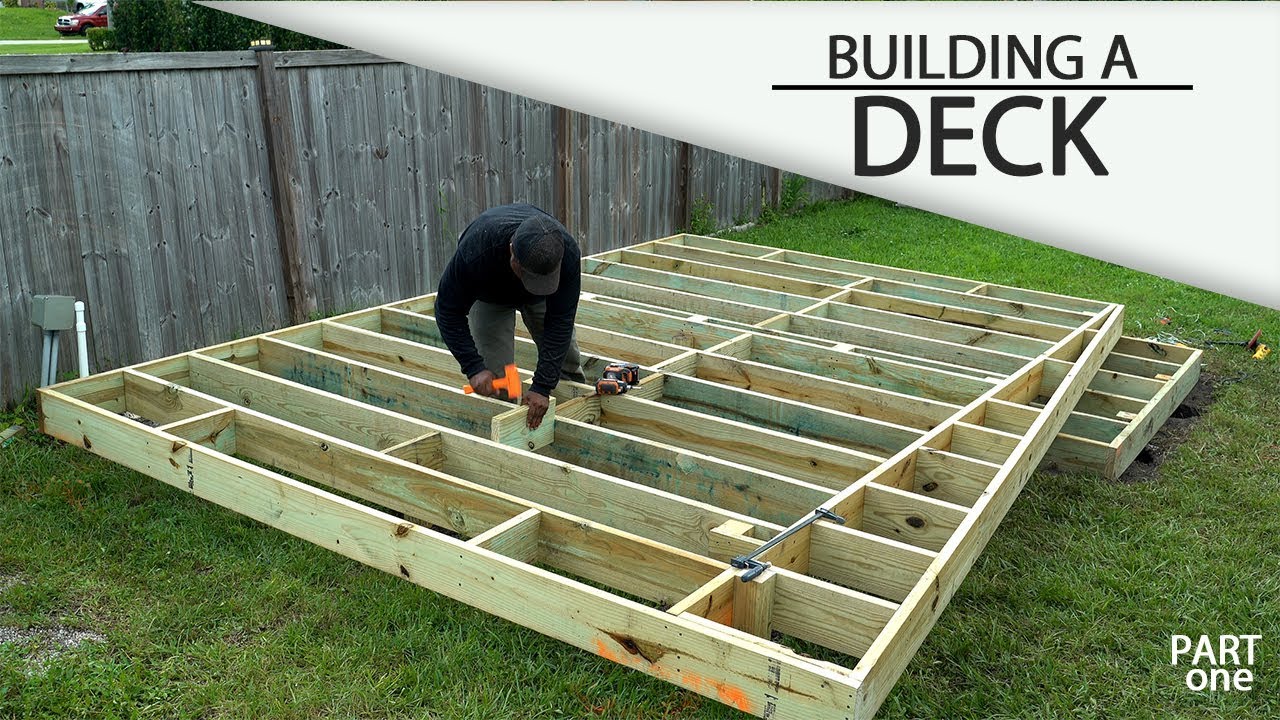
Crafting a Floating Wooden Desk for Small Spaces: A Step-by-Step Guide
Okay, so you're looking to make your small space feel bigger and more stylish, and a floating desk is the perfect solution! It's all about creating the illusion of airiness and maximizing your floor space, which is crucial when you're working with a limited footprint. But don't worry, you don't need to be a carpentry pro to pull this off. With a bit of planning, some basic tools, and a whole lot of enthusiasm, you can build a floating wooden desk that's as functional as it is eye-catching.
Planning Your Project: Laying the Foundation
Before you dive headfirst into the woodshop, take some time to visualize your dream desk and make a plan. This is where you'll decide on the dimensions, style, and materials. Here's a breakdown of the key factors to consider:
1. Size and Shape
Measure your space carefully and sketch out a basic design. Consider what you'll be using the desk for â€" a laptop, paperwork, art supplies? You'll want to have enough surface area for your needs. If you're limited on space, a narrow but long desk might be a good option. Remember, you can always get creative with the shape! A round or oval desk can add a touch of whimsy to a small room.
2. Material Choice
Wood is the natural choice for a floating desk, and there are so many beautiful options to choose from. Here's a quick rundown of some popular woods:
- Pine: Budget-friendly, soft wood that's easy to work with.
- Oak: Durable and sturdy, adds a classic touch.
- Maple: Known for its elegant grain and smooth finish.
- Cherry: Rich color and beautiful grain patterns.
- Walnut: Warm tones and stunning grain variations.
The wood you choose will depend on your budget, personal style, and the overall look you're aiming for. You can also opt for reclaimed wood for a unique and sustainable touch.
3. Functionality and Storage
Think about how you'll be using the desk and what storage options you need. Would a drawer or shelf be helpful? If you're working with a small space, built-in storage is essential to keep things tidy. Consider using a floating shelf or a small drawer unit to maximize your storage potential.
4. Mounting and Support
This is where the "floating" aspect comes in. You'll need to plan how the desk will be attached to the wall. Choose sturdy wall anchors that can support the weight of the desk and any items you'll place on it. For added stability, you might consider using brackets or a floating shelf system.
Gathering Your Supplies: Time to Stock Up!
Now that you have your plan in place, it's time to gather the tools and materials you'll need. Here's a basic shopping list:
- Wood: The exact amount will depend on the size and design of your desk.
- Wood glue: For securing joints.
- Screws: Make sure they're long enough to go through the wood and securely attach to the wall anchors.
- Wall anchors: Choose anchors that are rated for the weight of your desk.
- Measuring tape: For precise measurements.
- Pencil: For marking cuts and layouts.
- Circular saw or jigsaw: For cutting wood.
- Sandpaper: For smoothing out rough edges.
- Level: For ensuring the desk is straight and even.
- Drill: For making pilot holes and attaching the desk to the wall.
- Finish (optional): Stain, paint, or sealant to protect the wood and enhance its appearance.
If you don't have all the tools, consider visiting a local hardware store or renting them. Some stores even offer workshops and classes where you can learn basic woodworking techniques.
Building the Desk: Let the Fun Begin!
Now comes the exciting part â€" building your floating desk! It's best to break it down into manageable steps:
1. Cut the Wood
Measure and cut your wood according to your plan. If you're new to using power tools, practice on scrap wood first before tackling your desk pieces. Double-check your measurements to ensure everything fits together perfectly.
2. Assemble the Desk Top
If your desk top is made up of multiple pieces, use wood glue and screws to join them together. Clamp the pieces in place until the glue dries for a strong and secure bond.
3. Add Storage (Optional)
If you're incorporating a drawer or shelf, attach it to the underside of the desk top using wood glue and screws. Be sure to align it carefully so it's level and flush.
4. Sand the Surface
Once your desk is assembled, smooth out any rough edges or imperfections with sandpaper. Start with a coarser grit and gradually work your way up to a finer grit for a smooth, polished finish.
5. Apply Finish (Optional)
If you want to protect your desk and give it a desired color, apply a finish like stain, paint, or sealant. Follow the manufacturer's instructions for the best results.
6. Mark and Drill Mounting Holes
Use a level to mark the position of the desk on the wall. Mark the location for your wall anchors and drill pilot holes into the wall.
7. Install Wall Anchors and Secure the Desk
Install the wall anchors into the pilot holes. Attach the desk to the wall using screws, ensuring it's securely fastened and level.
Finishing Touches: Time to Decorate!
Now you've got a beautiful, functional floating desk that adds a touch of style to your small space. It's time to personalize it and make it your own! Here are a few ideas:
- Add a touch of greenery: A small potted plant can brighten up the space and add a natural element.
- Incorporate a stylish lamp: A desk lamp adds warmth and a touch of elegance.
- Use decorative storage: Keep your desk organized with beautiful containers, trays, or baskets.
- Add a personal touch: Hang artwork, photos, or inspiring quotes above the desk to create a personalized workspace.
Congratulations! You've successfully built a floating desk that not only enhances your small space but also reflects your unique style. Enjoy your new workspace and let your creativity soar!


No comments:
Post a Comment
Note: Only a member of this blog may post a comment.